
Germany beckons with its dramatic peaks of the Alps, enchanting castles, and quaint villages. From the bustling cities to serene countryside, this diverse nation offers an incredible blend of natural beauty, rich history, and modern innovation. Embark on a journey through Germany’s sustainable travel options, ensuring your adventure leaves a positive impact on the environment and local communities.
- What is Sustainable Travel?
- Why is Sustainable Travel Important?
- Sustainable Travel in Germany
- Sustainable Travel in Germany: Best Practices
- Sustainable Accommodation in Germany
- Top 10 Sustainable City Destinations in Germany
- Top 5 Sustainable National Parks in Germany
What is Sustainable Travel?
Sustainable travel is choosing a mindful approach when planning your journey while ensuring that the places we visit benefit in the long term. Basically, you want to balance the positives, such as cultural exchange and economic support, with minimizing or eliminating the negatives, such as environmental degradation and carbon emissions.
Why is Sustainable Travel Important?
The concentration of carbon dioxide is a major issue, significantly contributing to global warming. This increase in greenhouse gases leads to more frequent and severe climate events and endangers numerous species with extinction. By adopting sustainable travel practices, we can help mitigate these impacts. It starts with a mindset shift towards conscious travel choices, considering the three Rs:
- Reduce what you take
- Reuse items as much as possible
- Recycle whenever you can.
Sustainable Travel in Germany
- Germany ranks as the third most valuable nation brand globally, valued at roughly five trillion dollars, and it is the most valuable in Europe.
- In 2023, international tourism saw 1,286 million arrivals, making Germany the second most popular destination for Europeans.
- Sustainable travel in Germany is bolstered by its excellent green transport options, with cars, planes, trains, and coaches being the most significant modes of transport. Of the 53.8 million trips made to Germany by Europeans in 2023, 45% traveled by car, 34% by plane, 11% by train, 7% by coach, and 3% by other means such as sea, motorbike, or bicycle.
- Germany’s commitment to sustainability is evident in its high rankings in various indices: third place out of 60 in the NBI’s ranking of sustainable aspects, second for affordable energy, third for climate protection, fifth for access to clean water, and ninth for wildlife protection.
Sustainable Travel in Germany: Best Practices
- Travel by Train with Deutsche Bahn: Germany’s extensive and efficient railway network offers a low-carbon way to explore the country.
- Explore Destinations on Foot or by Bike: Cities and countryside alike are best appreciated up close, with numerous walking and biking trails.
- Stay with Locals or in Bio Hotels: Engage with the local culture and support eco-friendly accommodations.
- If You Need to Fly, Take a Green Flight or Offset Your Carbon Footprints: Opt for airlines that offer carbon offset programs or green flights.
- Take a Reusable Water Bottle and Refill it in Destinations: Use resources like Refill Deutschland to find refill stations.
- Visit National Parks and Other Natural Wonders: Explore Germany’s natural beauty with visits to its many parks.
Sustainable Accommodation in Germany
Finding eco-friendly places to stay is easy with resources like GreenSign, Sawday’s, i-escape, Fairbnb, Good Travel, and Viabono. Additionally, platforms like Airbnb offer eco-friendly options.
Top 10 Sustainable City Destinations in Germany
Freiburg

Freiburg, often hailed as Germany’s eco-capital, is a shining example of sustainable living. Nestled in the Black Forest, this vibrant university town is known for its green innovations and commitment to sustainability. Freiburg boasts extensive cycling paths, a comprehensive public transport system, and numerous solar power installations. The city’s Vauban district is a model for sustainable urban planning, featuring energy-efficient homes, car-free areas, and communal green spaces. Visitors can enjoy eco-friendly accommodations, organic dining options, and explore the lush surroundings, including the famous Schauinsland mountain.
Hamburg
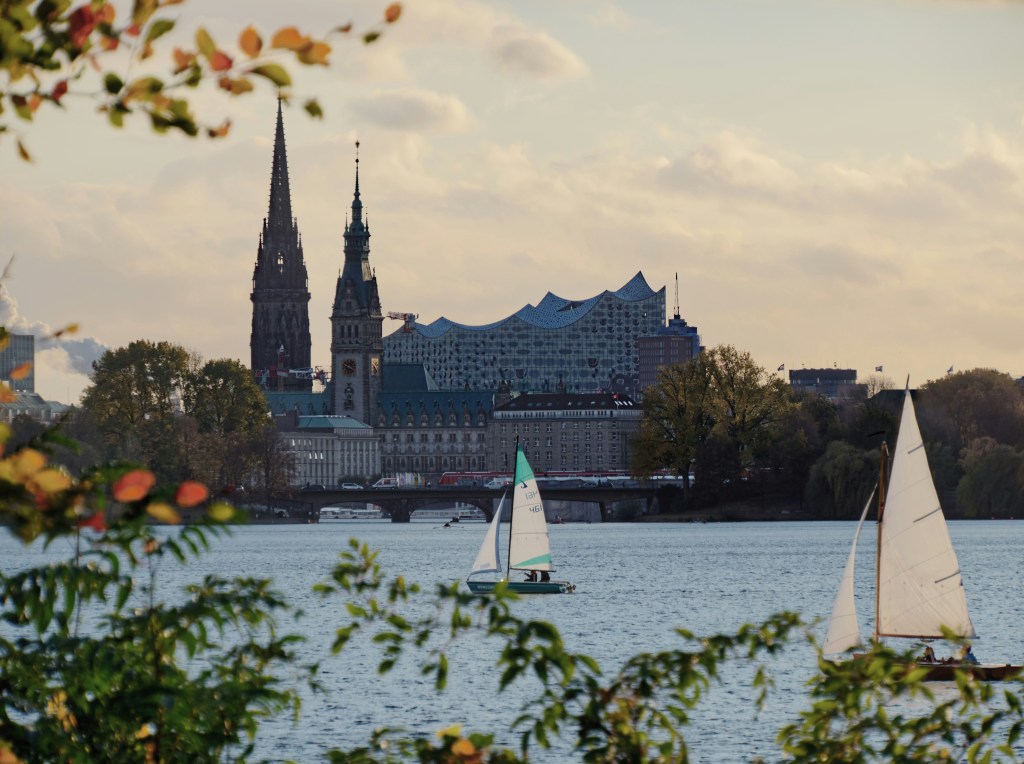
Hamburg, Germany’s second-largest city, is a pioneer in urban sustainability. The city’s HafenCity project, one of Europe’s largest urban redevelopment projects, focuses on sustainable architecture and eco-friendly living. Hamburg’s extensive green spaces, such as Planten un Blomen and the Alster Lakes, provide urban oases for residents and visitors alike. The city also prioritizes clean energy, with numerous wind farms and solar installations. Eco-conscious travelers can explore the city’s vibrant neighborhoods by bike or electric bus and stay in one of Hamburg’s many green hotels.
Berlin

Berlin, the bustling capital of Germany, seamlessly blends history, culture, and sustainability. The city offers a plethora of green spaces, including the iconic Tiergarten and Tempelhofer Feld, a former airport turned public park. Berlin’s public transport system is extensive and eco-friendly, with a focus on electric buses and trams. The city is also home to numerous sustainable accommodations, from eco-friendly hostels to luxury green hotels. Visitors can enjoy organic markets, vegan restaurants, and innovative green initiatives like urban gardening and upcycling workshops.
Munich
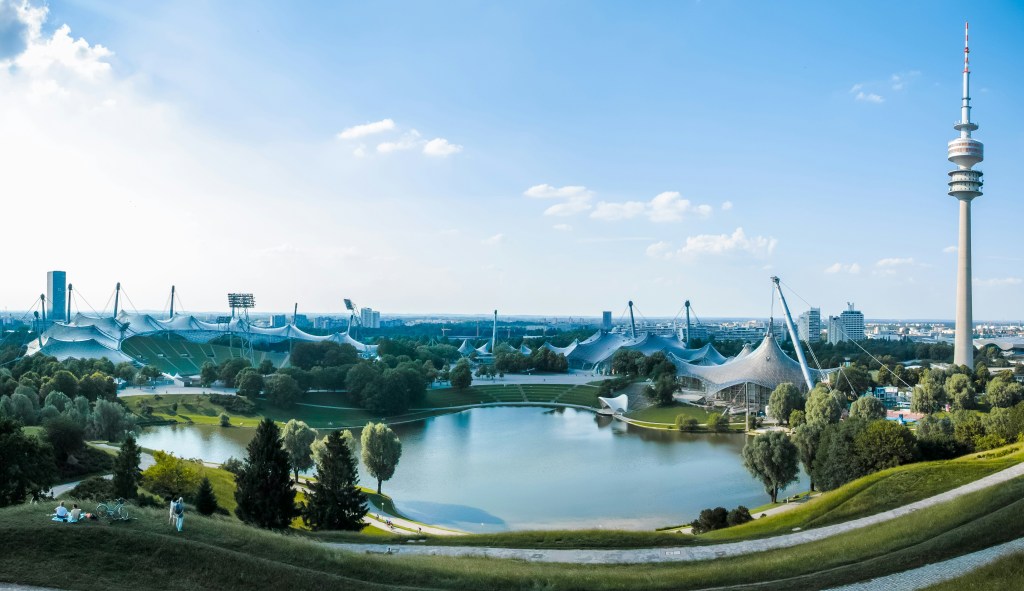
Munich, the capital of Bavaria, is renowned for its beautiful parks, clean streets, and sustainable practices. The city’s extensive public transport network includes electric buses and trams, making it easy to explore without a car. Munich is also committed to renewable energy, with initiatives to increase solar and wind power usage. Visitors can enjoy the city’s green spaces, such as the English Garden, one of the largest urban parks in the world, and stay in eco-friendly accommodations. The city’s dedication to sustainability extends to its vibrant food scene, with numerous organic and farm-to-table dining options.
Heidelberg

Heidelberg, with its charming old town and prestigious university, is also a leader in sustainability. The city has implemented numerous eco-friendly initiatives, including extensive cycling infrastructure and a focus on renewable energy. Heidelberg’s commitment to green living is evident in its public transport system, which includes electric buses and an extensive network of bike paths. Visitors can explore the city’s historic sites, such as Heidelberg Castle, while staying in sustainable accommodations. The city also offers a range of organic and locally-sourced dining options, ensuring a green travel experience.
Leipzig

Leipzig, a dynamic city in eastern Germany, emphasizes green urban living and eco-friendly tourism. Known for its vibrant arts scene and historic architecture, Leipzig is also a model of sustainability. The city has invested in green public transport, including trams and buses powered by renewable energy. Leipzig’s extensive green spaces, such as Clara Zetkin Park, provide ample opportunities for outdoor activities. Visitors can stay in eco-friendly hotels and enjoy the city’s many organic markets and restaurants, making sustainable travel Germany a key focus of their visit.
Nuremberg

Nuremberg combines historical charm with a strong commitment to sustainability. The city’s medieval architecture and rich history are complemented by its green initiatives, including an extensive public transport network and numerous cycling paths. Nuremberg prioritizes renewable energy and waste reduction, with a focus on creating a sustainable urban environment. Visitors can explore the city’s historic sites, such as Nuremberg Castle, while staying in eco-friendly accommodations. The city also offers a variety of organic dining options and green spaces, ensuring a sustainable travel experience.
Stuttgart
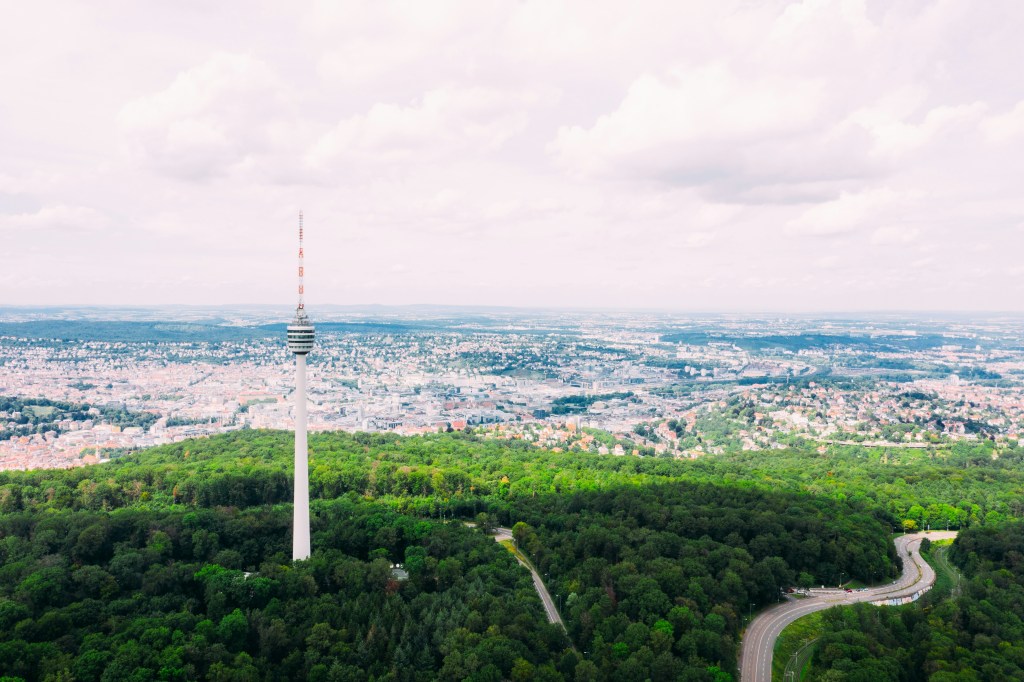
Stuttgart, known for its automotive innovations, is also a leader in green technology and sustainability. The city has implemented numerous eco-friendly initiatives, including a focus on electric vehicles and renewable energy. Stuttgart’s extensive public transport system includes trams and buses powered by clean energy, making it easy to explore the city sustainably. Visitors can enjoy the city’s green spaces, such as the expansive Rosenstein Park, and stay in eco-friendly accommodations. Stuttgart also offers a range of organic and locally-sourced dining options, promoting sustainable travel Germany.
Bremen

Bremen, a maritime city in northern Germany, combines a rich history with a commitment to sustainability. The city’s extensive public transport network includes trams and buses powered by renewable energy, making it easy to get around sustainably. Bremen’s green spaces, such as Bürgerpark and the Weser River promenade, provide ample opportunities for outdoor activities. Visitors can explore the city’s historic sites, such as the UNESCO-listed Bremen Town Hall, while staying in eco-friendly accommodations. Bremen also offers a variety of organic dining options and sustainable markets, ensuring a green travel experience.
Dresden

Dresden, rich in culture and history, is also committed to sustainable travel Germany. The city’s extensive public transport system includes trams and buses powered by renewable energy, making it easy to explore sustainably. Dresden’s green spaces, such as the Grosser Garten and the banks of the Elbe River, offer plenty of opportunities for outdoor activities. Visitors can stay in eco-friendly accommodations and enjoy the city’s many organic markets and restaurants. Dresden’s commitment to sustainability extends to its vibrant arts scene, with numerous eco-friendly cultural events and initiatives.
Top 5 Sustainable National Parks in Germany
Germany’s national parks are not only breathtakingly beautiful but also paragons of sustainable conservation. These protected areas are dedicated to preserving the natural environment while offering visitors a chance to connect with nature responsibly. Here are the top five sustainable national parks in Germany that are must-visit destinations for eco-conscious travelers.
Bavarian Forest National Park

Bavarian Forest National Park, Germany’s first national park, is a sanctuary of untouched wilderness. Located on the border with the Czech Republic, this park is part of the larger Bohemian Forest ecosystem. It is renowned for its commitment to natural processes, allowing nature to reclaim and shape the landscape without human interference. Visitors can explore dense forests, pristine rivers, and tranquil lakes through an extensive network of hiking and cycling trails. The park also offers eco-friendly accommodations and educational programs focused on conservation and sustainable tourism.
Saxon Switzerland National Park

Saxon Switzerland National Park, situated near Dresden, is famed for its dramatic sandstone formations and deep valleys. This park is a haven for hikers, climbers, and nature enthusiasts. It emphasizes sustainable tourism by promoting eco-friendly activities and limiting car traffic within the park. Visitors can explore the stunning landscape on foot or by bike, using well-marked trails that minimize environmental impact. The park also supports local conservation efforts and provides educational resources to raise awareness about the importance of preserving this unique natural area.
Black Forest National Park
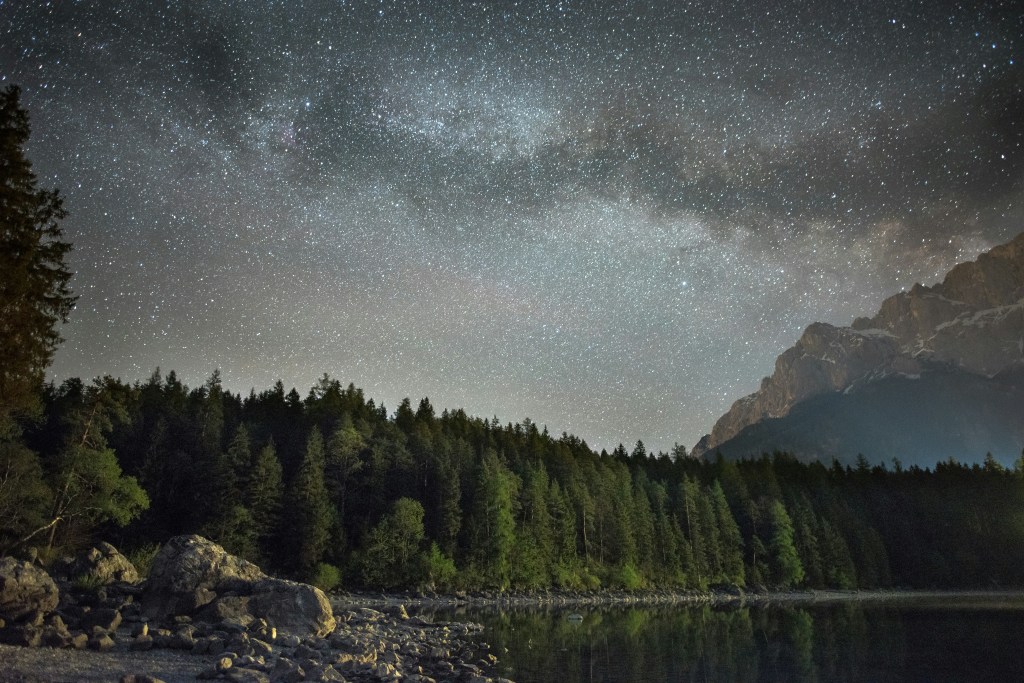
Black Forest National Park, located in southwestern Germany, is synonymous with dense woods, picturesque villages, and expansive hiking trails. This park is dedicated to sustainable forest management and conservation. Visitors can enjoy a range of eco-friendly activities, including hiking, cycling, and wildlife watching. The park’s visitor centers offer insights into sustainable practices and the importance of protecting natural habitats. Accommodations in the region often emphasize eco-friendly practices, making it easy for travelers to support sustainability during their stay.
Harz National Park

Harz National Park, spanning the federal states of Lower Saxony and Saxony-Anhalt, is a mountainous region known for its mythical landscapes and rich biodiversity. The park is committed to preserving its natural habitats and promoting sustainable tourism. Visitors can explore a variety of trails, including the famous Brocken summit hike, which offers panoramic views of the surrounding area. The park’s conservation efforts focus on protecting endangered species and restoring natural ecosystems. Eco-friendly accommodations and local businesses support sustainable tourism initiatives, ensuring that the park remains pristine for future generations.
Müritz National Park
Müritz National Park, located in the Mecklenburg Lake District, is a paradise for water enthusiasts and bird watchers. The park’s extensive network of lakes, rivers, and wetlands provides a critical habitat for numerous species. Müritz National Park is dedicated to sustainable tourism, offering a range of eco-friendly activities such as kayaking, cycling, and bird watching. The park’s visitor centers provide information on conservation efforts and sustainable practices. Eco-friendly accommodations are available within and around the park, making it a perfect destination for those looking to experience nature responsibly.

 My Green Trips
Leave a comment