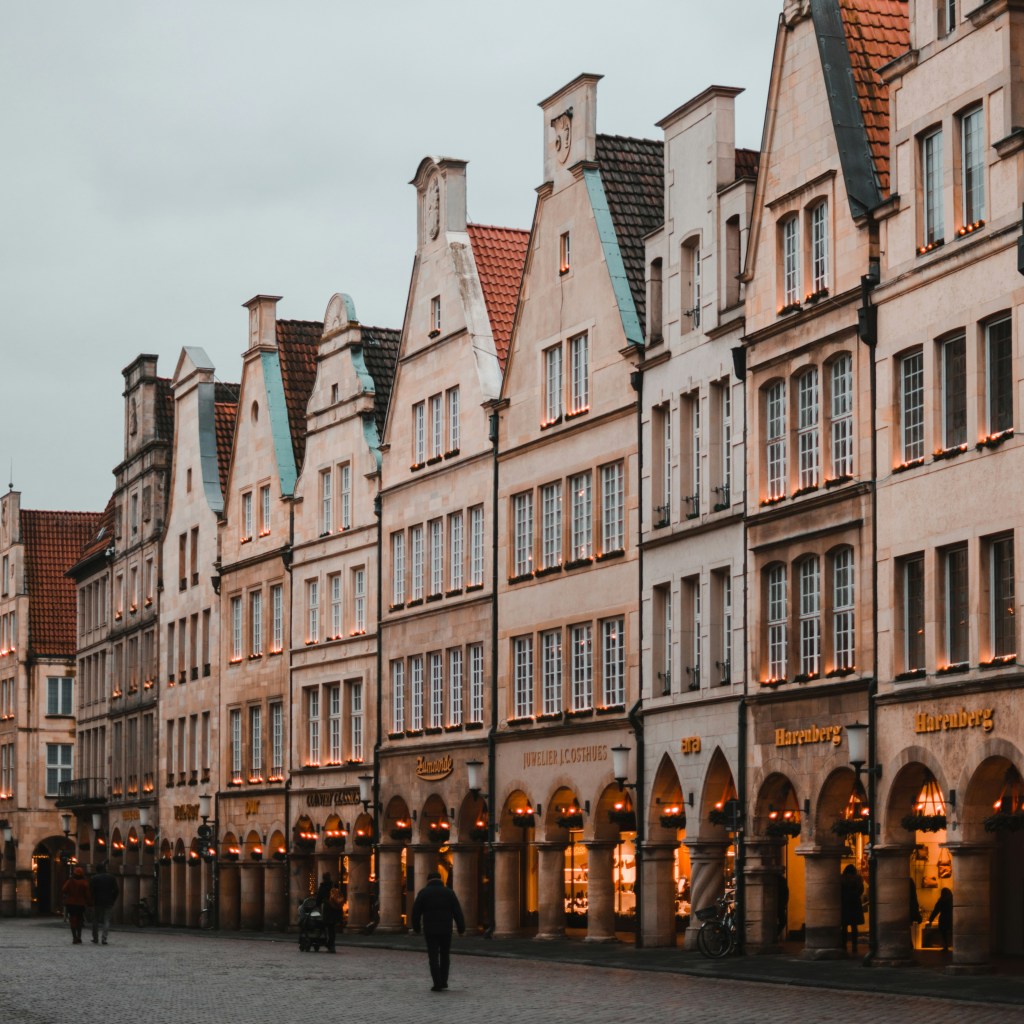
As Germany’s greenest city, Münster should be on every mindful traveler’s list. It differs quite a lot from other towns I have visited in Germany, with its clean main train station, numerous lakes and parks, audacious fast cyclists, energetic students, and a beautiful Old Town. It is also a part of Münsterland featuring over 100 castles scattered across the area. So, whether you want to spend a day or a week, there will be definitely enough things to do!
In this post, you will learn about the best things to do in Münster, its greenest restaurants, places to stay, get around, and more!
- Why Go to Münster
- Best Things to Do and See in Münster
- Münster Travel Costs
- Getting Around Münster
- Sustainable Hotels in Münster
- Best Time to Go to Münster
- A 3-day Itinerary to Münster
Why Go to Münster

- Being rather small, with a little over 360,000 people, Münster does not always show up on recommended travel itineraries. And that is excatly why it is worth visiting – not overcrowded yet authentic and vibrant.
- Münster is known as “environmental capital” for its high living standards, and in 2019 it received the German Sustainability Award.
- There are over 500,000 bicycles in the city, and its residents do over 70% of their journeys by bicycle, bus, train, and on foot.
- The city has a long history dating back to the 8th century. Founded under the Charlemagne’s rule and governed by a Catholic Bishop for over a thousand years, Münster was taken over by anabaptists in the 16th century who wanted to turn it into a New Jerusalem for Christ’s second coming. However, the Roman Empire took the city back and killed the rebells by suspending their bodies in cages. By the way, you can still see those cases in St. Lambert’s Church in the Old Town.
- Münster was pretty much destroyed during the World War II and rebuilt afterwards.
- In 2004, Münster was recognized as the most livable mid-sized city in the world!
Best Things to Do and See in Münster
For convenience, the best things to do in Münster are divided into Cultural, Nature, Food and Drinks, and Castles.
Explore the City’s Culture and Architecture
- Prinzipalmarkt: This old town area was meticulously rebuilt post-war to match its original state, making it one of Germany’s loveliest shopping streets. A fun way to explore is by taking a vintage electric car ride.
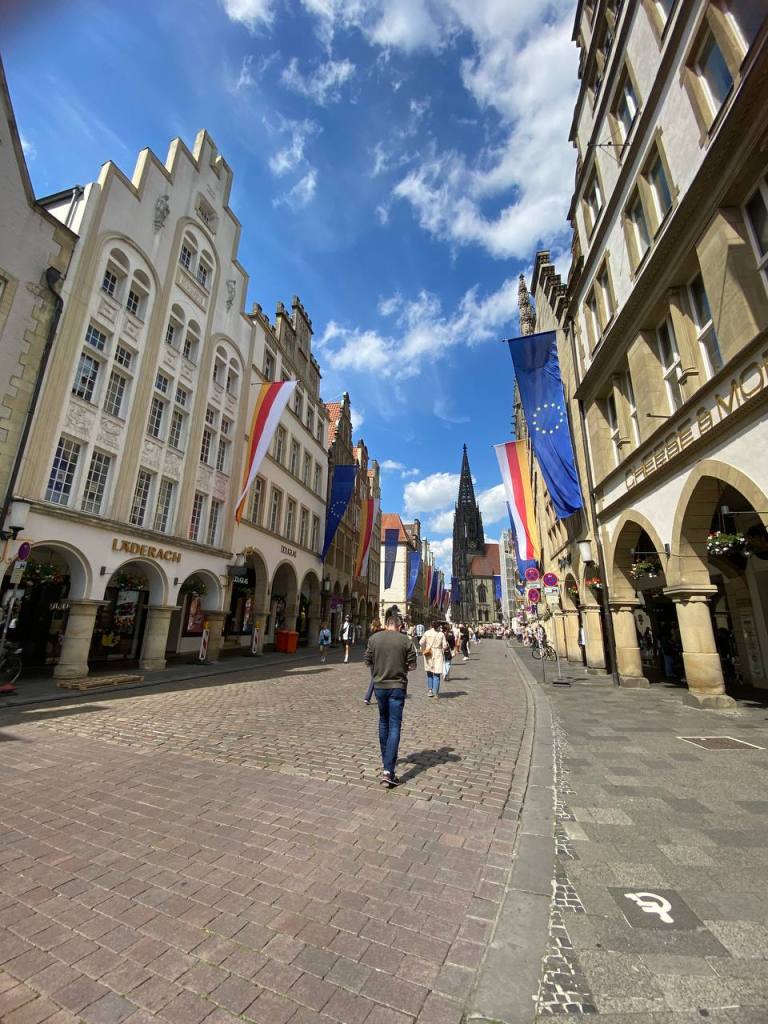
- Rathaus: Münster’s city hall, notable for housing the Friedenssaal where the Peace of Westphalia was signed, remains a local government hub. A traditional custom here includes a groom sweeping the steps to prove his commitment.
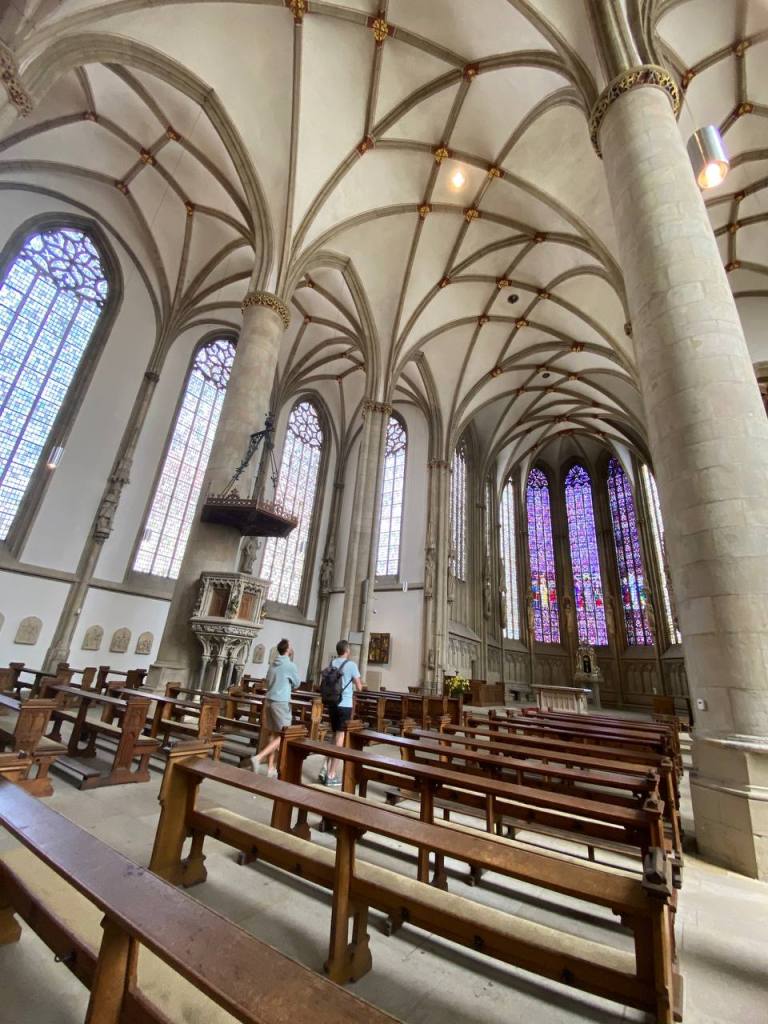
- St. Lambert’s Church: Known for Cardinal von Galen’s anti-Nazi sermons and the Anabaptist uprising, this church still has the cages that held the rebels’ corpses.
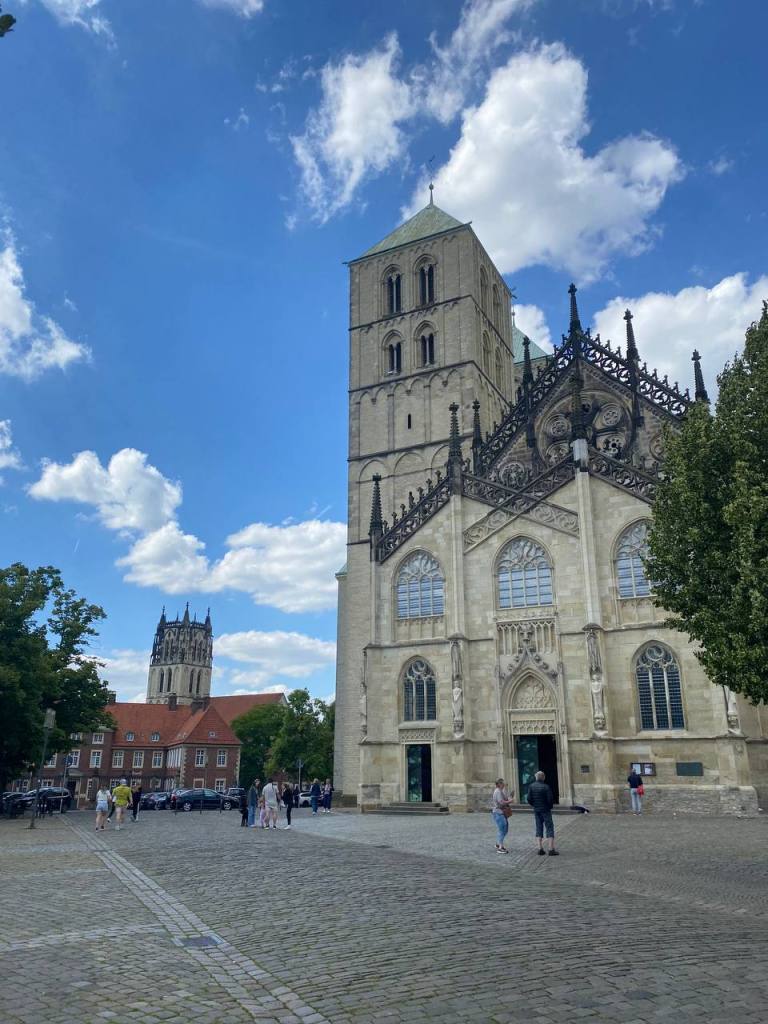
- St. Paulus: Located at Domplatz, the city’s center, this cathedral is best experienced during the Wednesday and Saturday market with 150 vendor tents offering diverse goods.
- Kunstmuseum Pablo Picasso: Germany’s first museum dedicated to Picasso, showcasing lithographs, graphics, and special exhibitions from around the world.
- University of Münster: A top educational institution with over 45,000 students, centered around the historic Münster Schloss. It manages three museums and a botanical garden.

Immerse Yourself in Nature
- Botanische Garten: Part of the University of Münster, established in 1803, featuring diverse plant species, ten greenhouses, and impressive open spaces.

- Lake Aa: A 40-hectare lake surrounded by 90 hectares of parkland, offering leisure activities like boating and walking, with nearby cafés and restaurants.
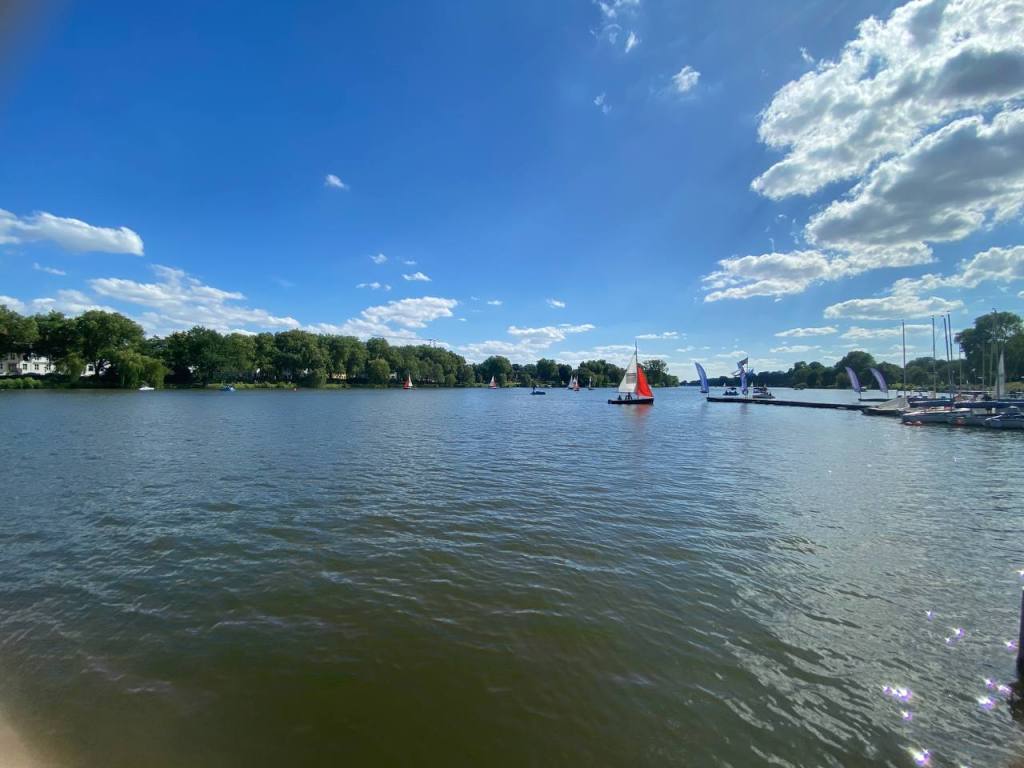
- Rieselfelder: A repurposed area turned wildlife haven, originally a sewage treatment site, now a European Bird Sanctuary and Wetland of International Importance.
Try Local Food & Drinks
- Westphalian Cuisine: Discover traditional dishes like ham, pumpernickel, and peppered beef stew in pubs and restaurants, including Altes Gasthaus Leve and Pinkus Müller, the first organic German brewery.
- Craft Beer Scene: Münster’s brewing tradition is alive with craft beers offering regional flavors, alongside the traditional Altbierbowle drink.
- Domplatz Market: Weekly markets showcasing local and international delicacies, ideal for sampling fresh produce and snacks.
- Hafenkäserei: An organic cheese dairy in the B-Side harbor area, offering tours and tastings, with a vibrant nightlife scene.
Visit some of Münster’s 100 Castles
- Burg Hülshoff: The home of celebrated poet Annette von Droste-Hülshoff, featuring stunning gardens, a children’s museum, and a café.
- Burg Vischering: A unique Wasserschloss known for its moat and Renaissance-style architecture, with historical significance dating back to 1271.
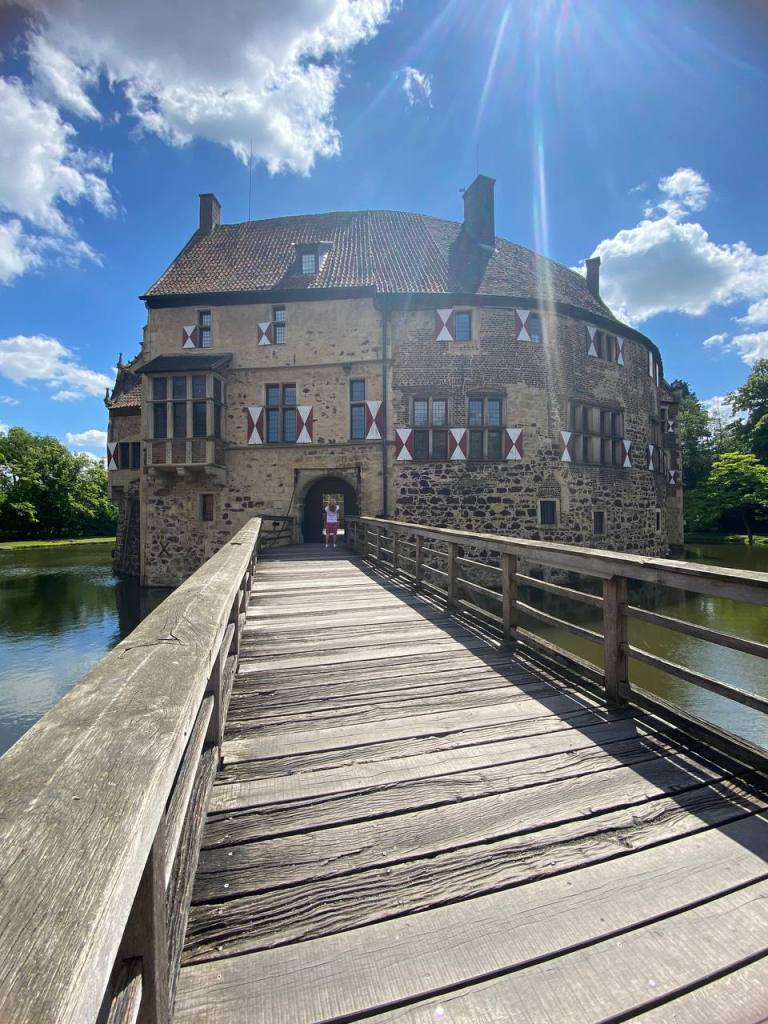
- Lüdinghausen Castle: The oldest in the town, now a socio-cultural center hosting events and exhibitions, surrounded by a picturesque park.

- Cappenberg Castle: A baroque monastic castle in Selm, housing a museum and hosting concerts, with a unique Riesling vineyard replanted in 2017.

You can find more things to in the official guide by the city of Münster!
Münster Travel Costs
When planning your trip to Münster, here’s a quick guide to typical travel costs:
- Hostel: Starting at 20 euros per night.
- Hotel: A 2-star Bed & Breakfast from 90 euros per night.
- Airbnb: Prices vary, offering a range of affordable and convenient options.
- Food: A meal in a restaurant costs around 12 euros.
- Beer: Approximately 3 euros for a 0.3-liter glass.
- Coffee: About 3.5 euros for a cappuccino.
- Bike Rental: Ranges from 1 euro per hour to 13 euros per day.
- Bus Ride: 2.20 euros for a 90-minute ticket.
Getting Around Münster
Exploring Münster is a breeze, thanks to its excellent infrastructure and bike-friendly environment. The city is renowned for its extensive network of cycling paths, making it easy and safe to get around on two wheels. Various bike rental services are available, including Muensterbike and Leezenheroes, which offer a range of options from standard bicycles to electric bikes. Whether you’re commuting, sightseeing, or simply enjoying the outdoors, renting a bike is a sustainable and enjoyable way to experience all that Münster has to offer.
Sustainable Hotels in Münster
- Mövenpick Hotel Münster: A four-star eco-friendly hotel, rated number one in Münster on TripAdvisor with a 4 out of 5 rating. Located in a green area near a park and lake, it offers a well-reviewed breakfast.
- Mauritzhof Hotel Münster: This 4-star design hotel is situated in the city center, close to the Promenade and the train station. Known for its stylish design and excellent breakfast, as noted by customers on TripAdvisor.
- Ibis Münster City: A 3-star hotel conveniently located near the main train station, offering good amenities and a nice breakfast, according to customer reviews.
Best Time to Go to Münster

Deciding the best time to visit Münster depends on your weather preferences and activities. Here are some pointers to help you plan:
- Best Weather: May, June, July, August, and September are ideal months with pleasant weather.
- Warmest Months: July and August typically offer the warmest temperatures.
- Coldest Month: February is the coldest month of the year.
- Rainiest Months: January, May, June, July, August, and December see the most rainfall.
A 3-day Itinerary to Münster
Below is an itinerary suggested by the city of Münster that offers a diverse and exciting experience for each of your three days. You can also condense this into two or even one day if you’re short on time.
Day 1: Walk around the Old Town

- Cathedral and Domplatz: Start your day at the historic heart of the city, exploring the magnificent cathedral and lively Domplatz.
- LWL-Museum für Kunst und Kultur: Dive into the rich cultural heritage of Münster at this comprehensive museum.
- Historic Town Hall: Discover the site where the Peace of Westphalia was signed, marking the end of the Thirty Years’ War.
- Prinzipalmarkt: Stroll through one of Germany’s most charming shopping streets, with its unique gabled buildings.
- Lambertikirche (Church): Visit this church, notable for its historical significance and distinctive architecture.
- Überwasserkirche (Church): End your tour with a visit to this serene and beautiful church.
Day 2: Explore the Nature

- Promenade: Walk or bike along the tree-lined Promenade, encircling the old city center.
- Schloss and Gardens: Visit the University of Münster’s historic Schloss and its lovely gardens.
- Botanical Gardens: Wander through the lush and diverse Botanical Gardens, a haven of peace and nature.
- Aasee: Enjoy leisure activities at Lake Aa, a popular spot for boating, picnicking, and walking.
Day 3: Explore the Harbour
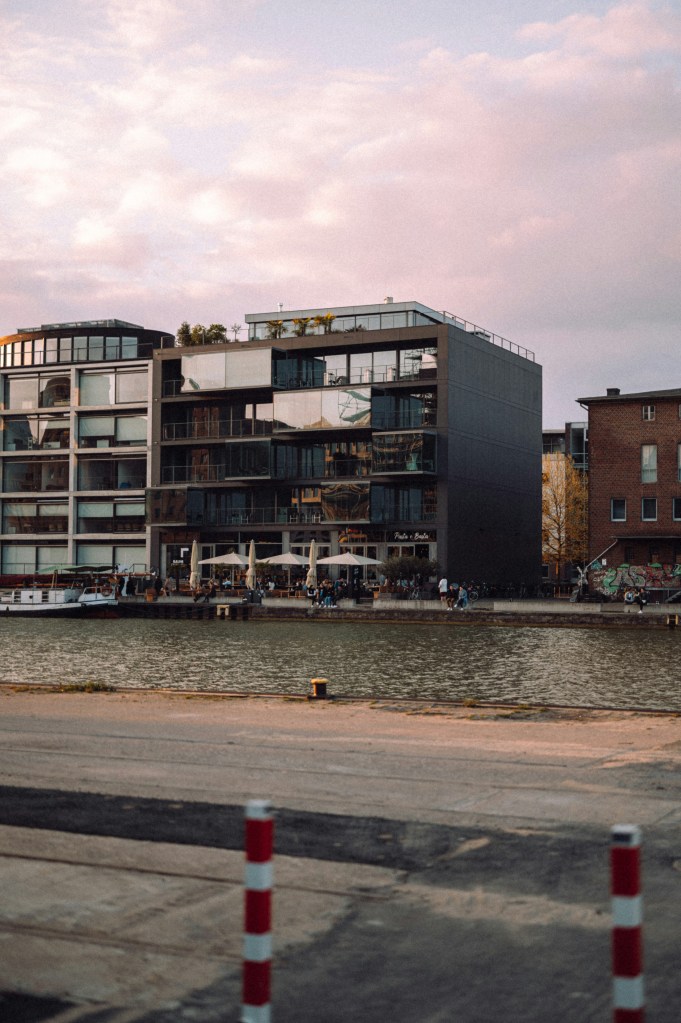
- Hansaviertel: Discover this vibrant district with its trendy bars, colorful student life, and exciting food spots.
- Kreativkai: Explore the unique blend of renovated warehouses and modern architecture in this creative quarter.
- B-Side: Visit this cultural hub, home to art studios, galleries, and a lively nightlife scene.
- Dortmund-Ems-Kanal: Stroll along this canal, enjoying the serene water views and the industrial monuments that tell the story of Münster’s trading past.

 My Green Trips
Leave a comment