Germany is home to some 25,000 castles and palaces. Impressive, isn’t it? It is one of the best collections in Europe that includes defensive medieval fortresses, fairytale castles, majestic palaces, and everything in between. While some of them inspired Brother’s Grimm to write their takes, others became a model for Walt Disney’s beautiful castle.
Is Visiting Castles Sustainable?
Visiting castles offers a unique opportunity to combine travel with sustainability. Castles, often nestled in picturesque landscapes and rich with history, serve as tangible links to our past, inviting visitors to explore the architectural marvels and stories that have shaped regions over centuries. By choosing to visit these historical landmarks, travelers can engage in a form of tourism that respects and preserves cultural heritage, promotes local economies, and minimizes environmental impact.
Castles typically exist within or near natural settings such as forests, rivers, and gardens, offering a chance to enjoy outdoor activities. This encourages low-impact travel that reduces carbon footprints compared to other forms of tourism. Many castles have also embraced sustainable practices, such as using renewable energy, maintaining organic gardens, and promoting local craftsmanship and products.
Sustainable Tips for Visiting Castles
- Choose Eco-friendly Transport: Opt for public transportation, biking, or walking to reduce your carbon footprint.
- Respect Local Culture and Environment: Follow guidelines, respect restricted areas, and avoid littering to help preserve the site and its surroundings.
- Support Local Economy: Buy from local vendors and stay in eco-friendly accommodations to ensure your visit benefits the local community.
- Reduce Waste: Bring reusable water bottles and bags to minimize waste.
- Learn and Engage: Participate in guided tours and educational programs to gain a deeper understanding of the cultural and environmental significance of the castle.
Best Castles in NRW, Germany
1. Schloss Drachenburg
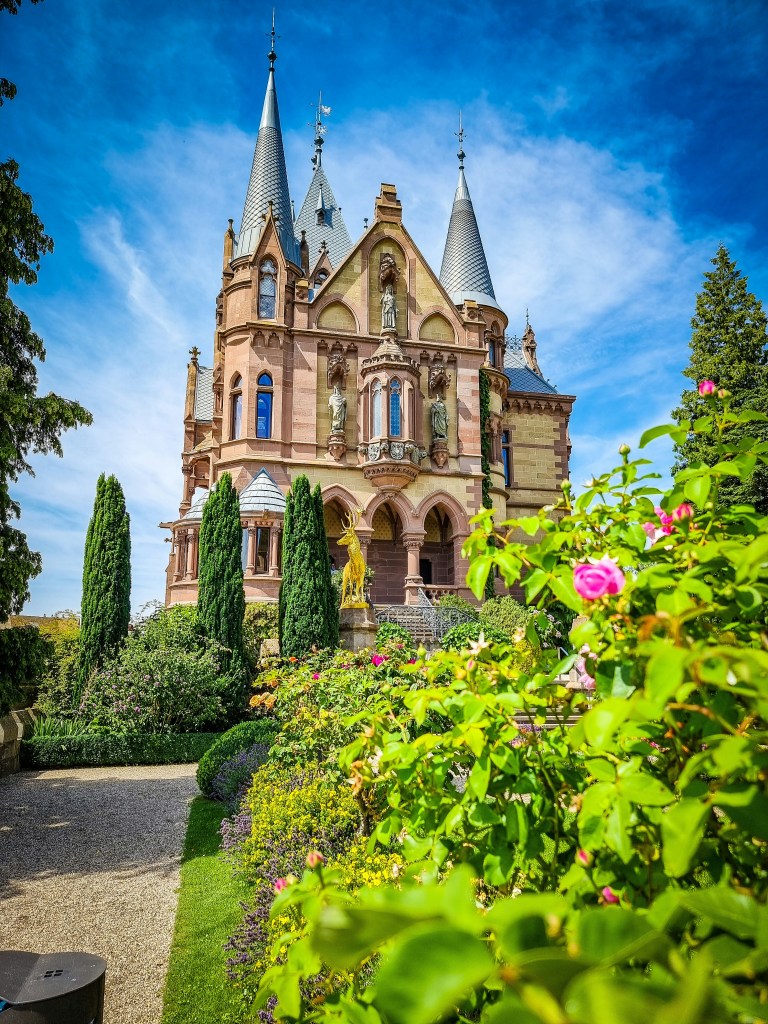
Address: Drachenfelsstraße 118, 53639 Königswinter, Germany
Schloss Drachenburg is a picturesque 19th-century castle located on the Drachenfels hill in Königswinter. It was built in 1882-1884 by Stephan von Sarter, a wealthy financier. The castle combines elements of a villa, castle, and palace, creating a unique architectural marvel. Visitors can explore the castle’s opulent interiors, which include grand halls, ornate ceilings, and period furnishings. The surrounding gardens and the panoramic views of the Rhine River add to the castle’s charm.
How to Get There: You can reach Schloss Drachenburg by taking the Drachenfelsbahn cog railway from Königswinter. It’s also accessible by a hiking trail for those who enjoy scenic walks.
Opening Hours: Generally open daily from 11:00 AM to 6:00 PM, but hours can vary seasonally.
Entrance Cost: Adults €7, children (6-17) €5, and family tickets (2 adults + children) €17.
2. Schloss Benrath
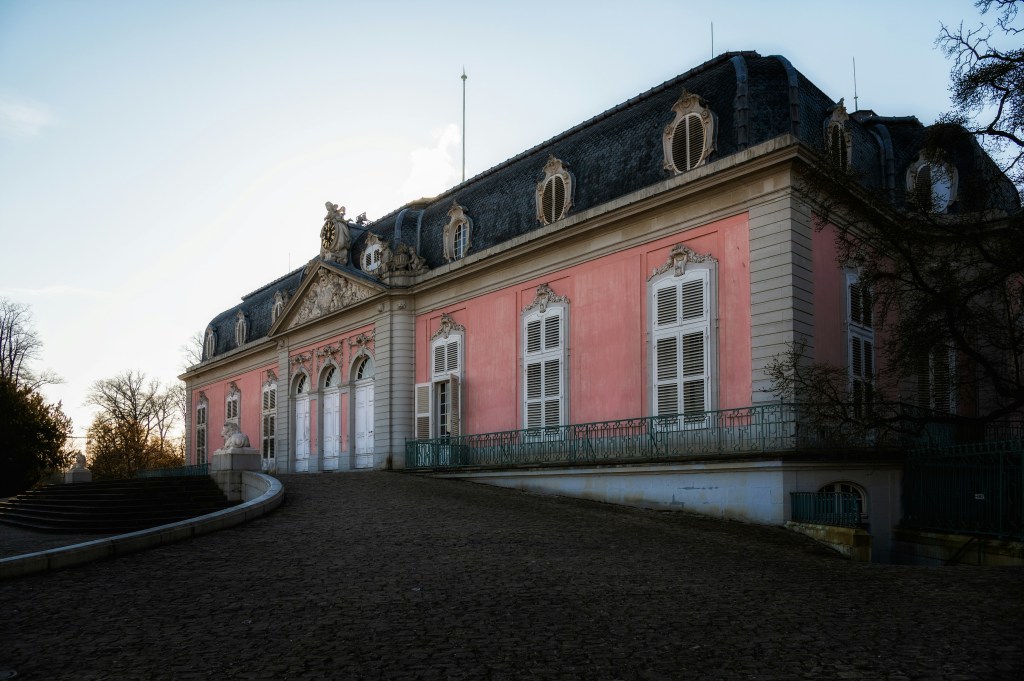
Address: Benrather Schlossallee 100-106, 40597 Düsseldorf, Germany
Schloss Benrath is a stunning late Baroque palace in Düsseldorf, built between 1755 and 1770 for Elector Palatine Charles Theodor. The palace is renowned for its elegant architecture and expansive gardens, which include a pleasure garden, kitchen garden, and a hunting park. Inside, visitors can explore the lavishly decorated rooms and the Museum of European Garden Art.
How to Get There: Schloss Benrath is easily accessible by public transportation. Take tram line U74, U77, or U83 to Benrath station and walk a short distance to the palace.
Opening Hours: Typically open Tuesday to Sunday from 11:00 AM to 5:00 PM. Closed on Mondays.
Entrance Cost: Adults €14, reduced €10, children under 18 free.
3. Schloss Augustusburg

Address: Schlossstraße 6, 50321 Brühl, Germany
Schloss Augustusburg in Brühl is a UNESCO World Heritage site and an exceptional example of Rococo architecture. Constructed in the early 18th century, it served as the primary residence of the prince-electors of Cologne. The castle is famous for its magnificent grand staircase designed by Balthasar Neumann and its beautifully landscaped gardens. Visitors can enjoy guided tours of the ornate rooms and the expansive parkland.
How to Get There: The castle is a short walk from Brühl train station, which is accessible via regional trains from Cologne or Bonn.
Opening Hours: Open Tuesday to Sunday from 10:00 AM to 5:00 PM. Closed on Mondays.
Entrance Cost: Adults €9, children €5, family ticket €20.
4. Schloss Burg
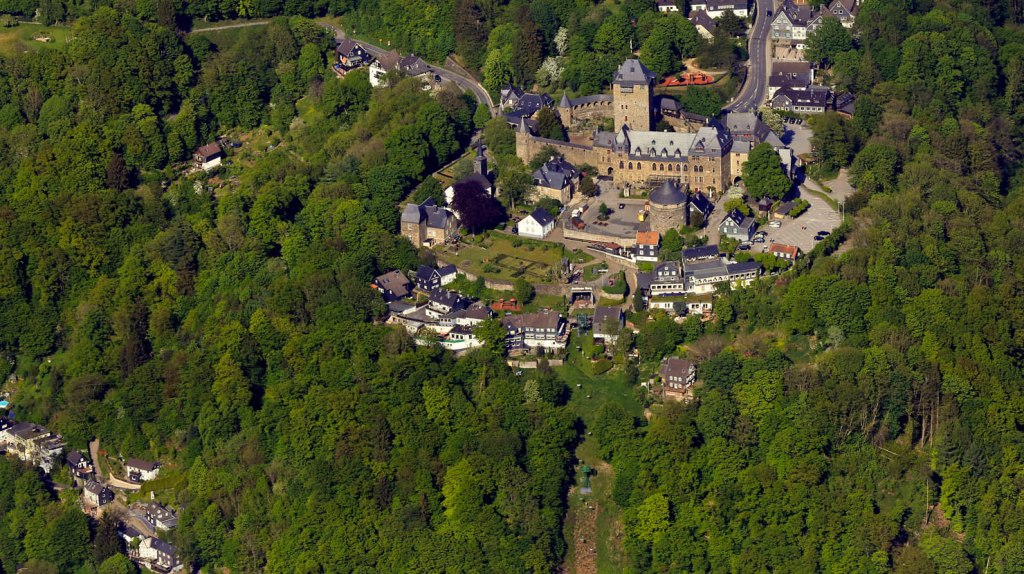
Address: Schlossplatz 2, 42659 Solingen, Germany
Schloss Burg is a medieval castle perched on a hilltop in Solingen, offering visitors a glimpse into the region’s medieval history. Originally built in the 12th century, it has been meticulously restored and now houses a museum that showcases medieval life, weaponry, and regional history. The castle’s location provides stunning views of the surrounding countryside and the Wupper River.
How to Get There: Schloss Burg can be reached by taking a bus from Solingen or Remscheid to Burg, followed by a short ride on the Burgseilbahn cable car.
Opening Hours: Generally open daily from 10:00 AM to 6:00 PM.
Entrance Cost: Adults €6, children €4, family ticket €16.
5. Schloss Nordkirchen
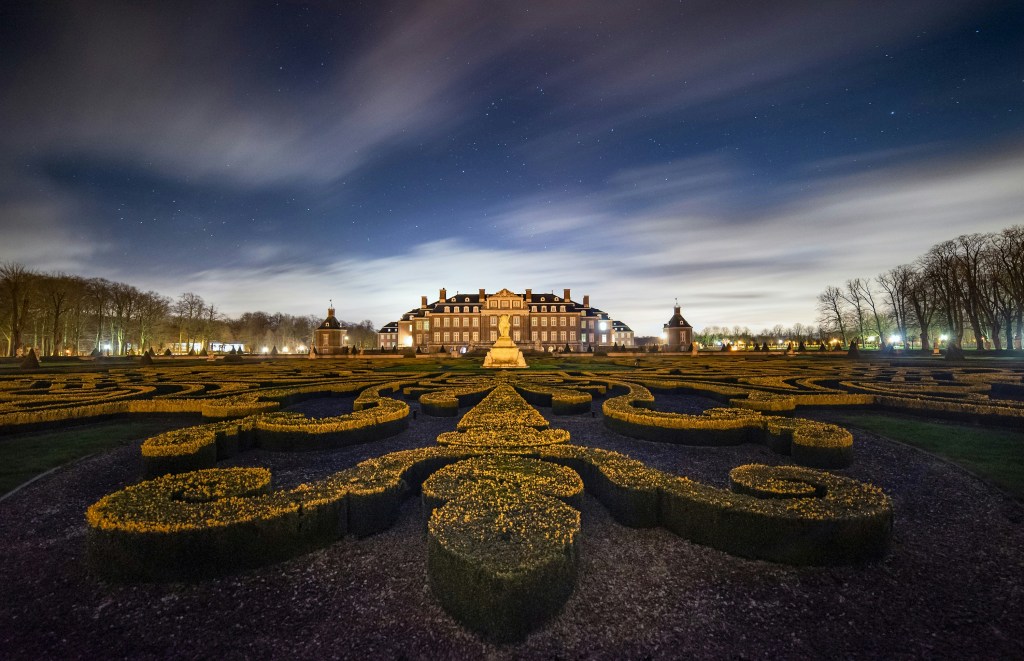
Address: Schloss 1, 59394 Nordkirchen, Germany
Known as the “Versailles of Westphalia,” Schloss Nordkirchen is a grand Baroque castle surrounded by an extensive park. Built between 1703 and 1734, it is one of the most significant Baroque residences in the region. The castle features elaborate architecture and beautifully designed gardens with water features, sculptures, and expansive lawns. Today, it also houses a university of applied sciences.
How to Get There: Schloss Nordkirchen is accessible by car, with ample parking available. It can also be reached by bus from nearby towns such as Lüdinghausen and Selm.
Opening Hours: The castle park is open daily from dawn to dusk. Interior tours are available by appointment.
Entrance Cost: Park access is free. Guided tours of the castle interior are available for €8 per person.
6. Schloss Hohenlimburg
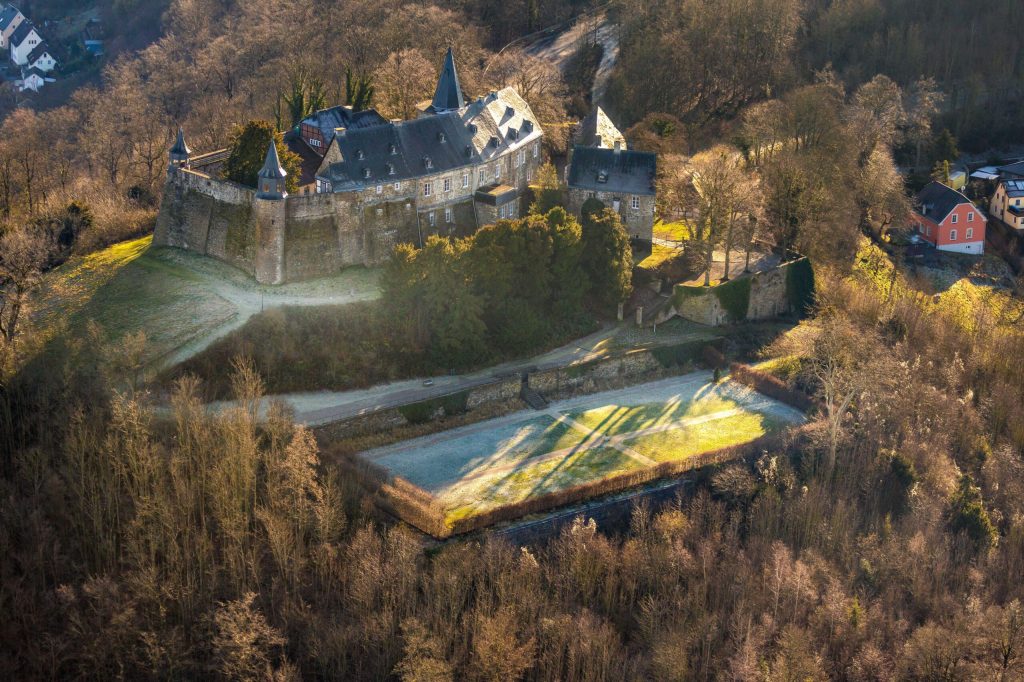
Address: Alter Schlossweg 30, 58119 Hagen, Germany
Schloss Hohenlimburg is a medieval hill castle overlooking the town of Hagen. Built in the 13th century, it has been well-preserved and offers visitors historical exhibits and cultural events. The castle’s museum showcases artifacts from its medieval past, including weapons, armor, and everyday items. The castle grounds provide picturesque views of the surrounding landscape.
How to Get There: The castle is accessible by car, with parking available on-site. It is also reachable by public transportation, with buses running from Hagen city center to Hohenlimburg.
Opening Hours: Open Tuesday to Sunday from 10:00 AM to 5:00 PM. Closed on Mondays.
Entrance Cost: Adults €6, children €4, family ticket €15.
7. Schloss Münster
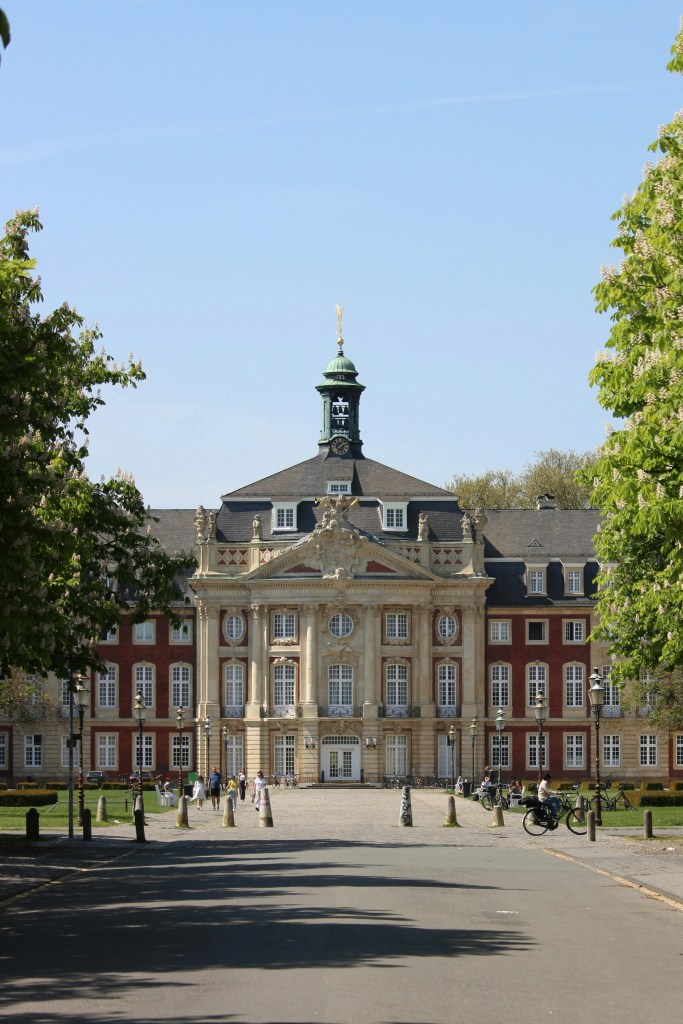
Address: Schlossplatz 2, 48149 Münster, Germany
Schloss Münster, originally a prince-bishop’s palace, now serves as the administrative center for the University of Münster. Constructed in the Baroque style between 1767 and 1787, the palace features an impressive façade and beautiful interior spaces. The adjacent botanical garden, established in the early 19th century, adds to the site’s charm with a diverse collection of plants and peaceful walking paths.
How to Get There: Schloss Münster is easily accessible by public transport, with several bus lines stopping near the university. It is also a short walk or bike ride from Münster’s city center.
Opening Hours: The exterior and gardens are accessible daily. The interior is typically not open to the public, except during special events.
Entrance Cost: Free.
8. Schloss Dyck
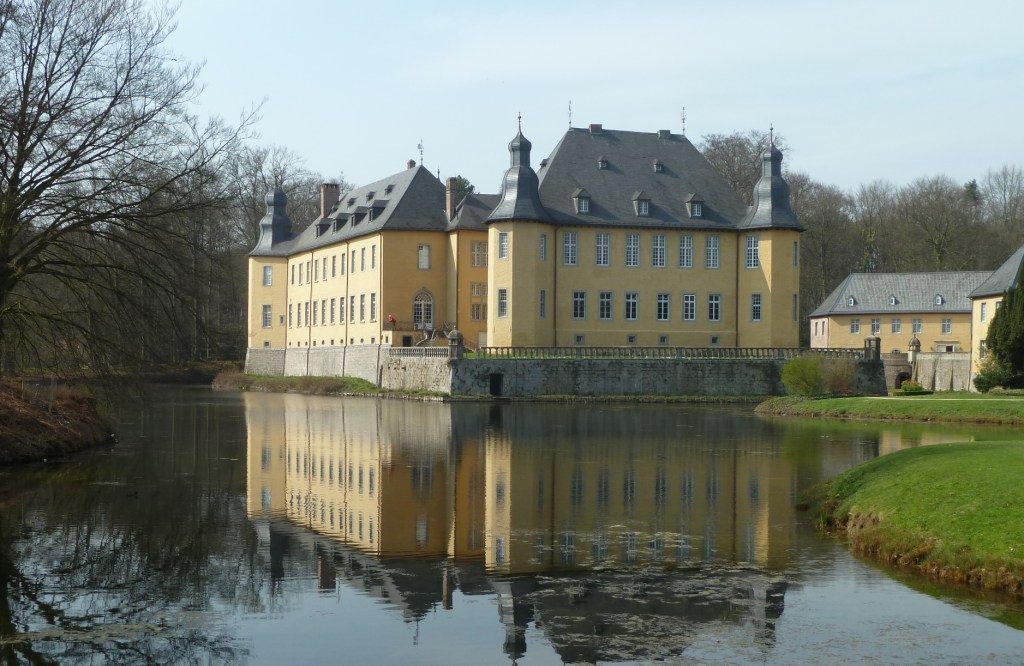
Address: Schloss Dyck, 41363 Jüchen, Germany
Schloss Dyck is a splendid moated castle with a history dating back over 1,000 years. Located in Jüchen, it is renowned for its impressive Renaissance architecture and extensive gardens. The castle grounds host numerous cultural and horticultural events throughout the year, including garden shows and exhibitions. The combination of historical architecture and beautifully maintained gardens makes it a popular destination.
How to Get There: Schloss Dyck is best reached by car, with ample parking on-site. Public transportation options include buses from nearby towns such as Grevenbroich and Mönchengladbach.
Opening Hours: Open Tuesday to Sunday from 10:00 AM to 6:00 PM.
Entrance Cost: Adults €12.50, children €1, family ticket €25.
9. Burg Altena
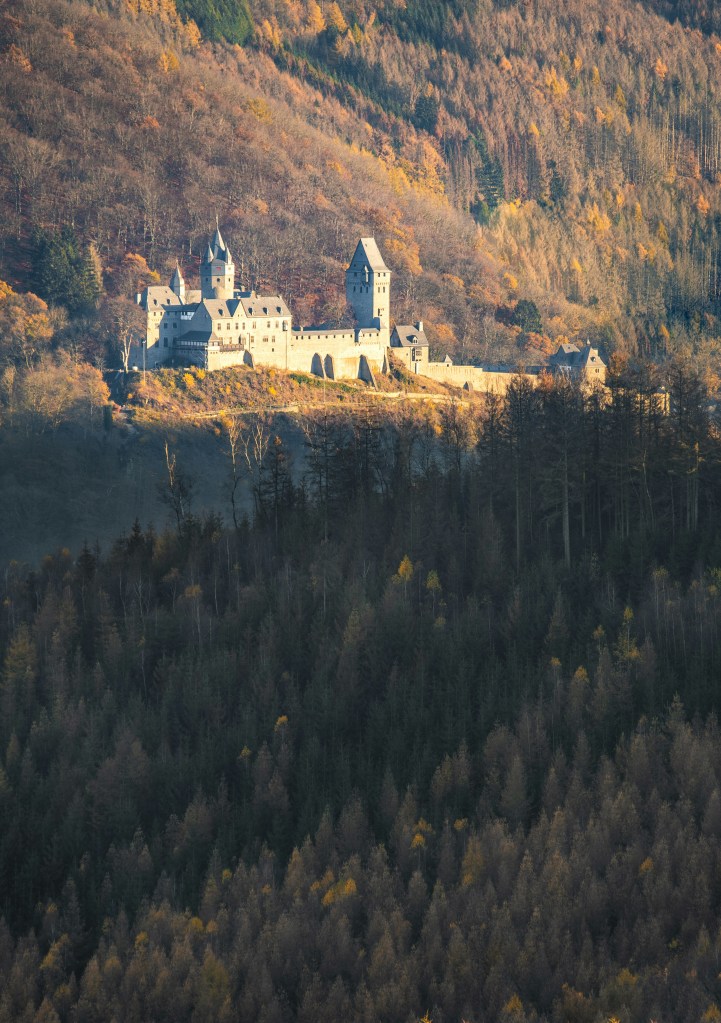
Address: Fritz-Thomee-Straße 80, 58762 Altena, Germany
Burg Altena is a medieval hilltop castle offering a rich historical experience. Built in the early 12th century, it now houses a museum that details the castle’s history and medieval life. It is also notable for being the site of the world’s first youth hostel, established in 1914. The castle provides panoramic views of the town of Altena and the surrounding landscape.
How to Get There: Burg Altena can be reached by taking a bus from Altena train station to the castle. Alternatively, visitors can drive, with parking available nearby.
Opening Hours: Open daily from 10:00 AM to 5:00 PM.
Entrance Cost: Adults €5, children €3, family ticket €12.
10. Schloss Paffendorf
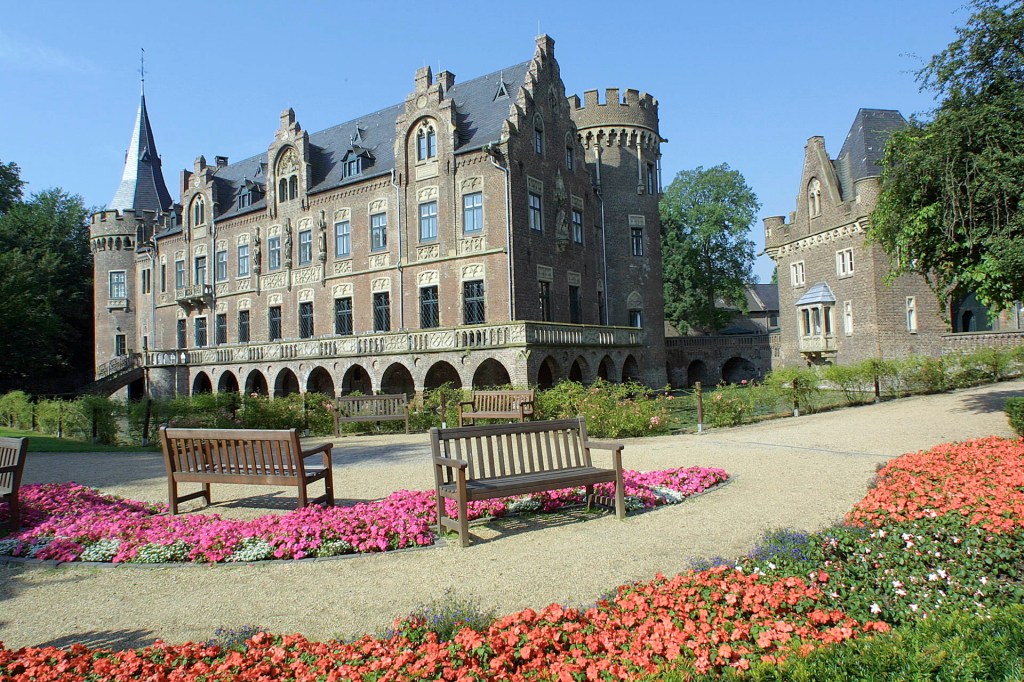
Address: Burggasse, 50126 Bergheim, Germany
Schloss Paffendorf is a charming moated castle in Bergheim, dating back to the 16th century. The castle is surrounded by beautifully landscaped gardens and parkland, making it a picturesque spot for a day trip. The castle itself features exhibitions on the history of the Rhineland and local nature. The tranquil setting and historical exhibits make it a popular destination for families and history enthusiasts.
How to Get There: Schloss Paffendorf is accessible by car, with parking available on-site. It is also reachable by public transport, with buses running from Bergheim to Paffendorf.
Opening Hours: The park is open daily from dawn to dusk. The interior is open for tours during special events.
Entrance Cost: Free to enter the park. Charges may apply for special events and tours.
These castles not only offer a fascinating journey through history but also provide beautiful settings and unique experiences for visitors.

 My Green Trips
Leave a comment