
Have you ever wondered how your travel influences the planet? In fact, tourism and hospitality account for 6.5% of global emissions. But sustainability on the road does not have to be hard or boring. Understand what sustainable travel is and learn the best trips for eco-friendly travel experiences.
- What Is Sustainable Travel?
- Best Sustainable Travel Tips
- What’s one big change that I can make?
- Wrapping Up
What Is Sustainable Travel?
Sustainable travel means travel practices that are sensitive to the nature and climate. They ensure that local communities actually benefit from visitors and helps minimize potential negative impact.
Responsible travel practices are started gaining popularity in XX, as the society started to pay more attention to the growing climate change and pollution. Changing the way we travel can help keep those changes in check, even if it looks not significant.
Best Sustainable Travel Tips
Let’s now take a look at different ways we can make our travel enjoyable for us and beneficial for the environment at the same time.
Choosing Your Destination
- Prioritize sustainable destinations. There is quite a number of destinations that align with the UN sustainable development goals and have measures in place to reduce any negative impact of tourism. Your visiting one of these certified destinations will likely have less influence on the environment. For example, explore the cities that won the European Green Capital Award.
- Stay for longer. Consider staying in a destination for a week or more instead of more short trips. This will help you have more meaningful experiences, such as learning the local culture or finding the hidden gems, and minimize carbon emissions. Long stays are also known as staycation or slow travel.
- Travel off-peak. Holidays outside the peak season are often much cheaper and more sustainable due to lower impact on the community. Moreover, high seasons are mainly defined by school holidays and don’t guarantee the best weather and time for a visit. You will also help stimulate the local hospitality to overcome seasonality challenge with off-season trips.
- Choose places that need support. Areas that have recently suffered from natural disasters benefit from boost in travel due to inflow of finances and more jobs created to support the travel demand. Besides, if you’d like, you could volunteer in reparation projects to help restore devastated areas.

Choosing Transportation
Did you know that air travel alone is responsible for 20% of the tourism industry and cruise ships emit up to four times more emissions per person? Choosing your transportation options mindfully can significantly decrease your impact on the environment.
- Trains. Electric trains are one of the greenest transportations as they emit up to 75% less greenhouse gases.
- Cycling. For zero emissions, consider riding a bike. It is also cheap and does not require much maintenance.
- Walking. To explore the area (and stay fit), your best choice is walking.
- Driving electric cars. Rent a car with a hybrid or electric engine can also reduce environmental impact while traveling.
- Using public transportation. Instead of driving your own car, consider using public transportation.
Choosing Accommodation
Prioritizing eco-friendly hotels and stays is another great way to minimize impact on the environment and support local communities.
- Local homestays. Choose locally-run accommodations, like B&Bs and guesthouses. It will allow you to bring value to the community, explore the culture and traditions, and oftentimes save money.
- Certified hotels. Look for green certifications, such as Green Seal (US), Rainforest Alliance (Latin America), Green Tourism Business Scheme (UK), and more. Such badges ensure the hotel implements eco-friendly measures, such as saving water and energy through low-flow toilets, energy-efficient lighting, organic materials and bath products, and more.

Planning Your Stay
There are a number of ways you can experience your destination sustainably.
- Choose local tour operators. By choosing a tour organized by locals you will not only invest into the local economy but also most likely learn about hidden gems and get useful tips.
- Buy from local artisans. When looking for souvenirs, explore local shops. Oftentimes, they are the ones that keep local traditions alive. Besides, handmade souvenirs look more authentic than mass production.
- Explore local markets. Food markets are often a sight themselves. Abundance of smells and tastes hardly leaves anyone indifferent. Instead of shopping at a supermarket, stop by a local market or kiosk and most likely you will have a nice chat and some good recommendation on what to try in the destination. Besides, such markets often use local products and seasonal foods.
Packing
Packing smart will literally reduce the weight on your shoulders in addition to lessening environmental impact.
- Pack light. Bring only essentials that you will use daily. Try to take only garments that can be washed by hand.
- Bring multi-purpose beauty care. Preparing those all-in-ones in the travel size for hair, face, and body will help you save space in the luggage.
- Pack a reusable bottle. Instead of buying and throwing away plastic bottles every time you want to drink, take one reusable water bottle and refill it when needed.
- Avoid single-use bags. Consider packing your clothes and toilettries in reusable bags in contrast to single-use plastic bags.

On the Plane
If you have or choose to fly, there are still a number of travel habits that can help minimize your impact.
- Choose green airlines. More and more airlines are introducing carbon offset programs.
- Add carbon offset. Some platforms allow you to pay a little bit extra to offset the carbon emission from your flight.
- Fly non-stop. As most of carbon is emitted during takeoff and landing, reserving direct flights is much better for the environment.
- Use e-ticket. Today you can check in almost every time with an electronic ticket on your smartphone. It is also faster and easier for the personal to process instead of paper.
In the Hotel
Sustainable travellers also implement energy and water conservation during their stay.
- Reuse towels. Instead of having fresh towels every day, you can simply reuse them.
- Hang “Do not disturb” sign. It will inform hotel personal that you don’t need changing your sheets and towels daily and reduce the amount of water and energy used on cleaning.
- Save electricity. Only plug in devices, such as lamps, bridge, hair dryer, when you need them. Otherwise, appliances simply keep draining energy even in the off mode.
- Take the open toiletry with you. Open yet unfinished shampoos and conditioners are likely to be thrown away after you leave.
- Adjust the temperature. If you do not easily feel cold, lowering the room temperature will help save some energy, even if you only reduce it by a couple of degrees.
- Save water. Do not leave the water running unless you are actively using it.
- Don’t use laundry. Hotels usually wash their guests’ clothes separately, which boosts water consume.
- Showers over baths. Showers consume much less water in contrast to baths.
In the Nature
- Book sustainable tours. To explore wildlife in a green way, make sure to research and book experiences that support the conservation best practices, as well as local communities.
- Be respectful. Choose not to touch and feed wild animals and coral for your own and their safety.
- Follow guidelines. When visiting natural parks and protected areas, make sure to follow their rules and listen to your guide.
- Use reef-save sunscreen. When diving or even swimming, you will be leaving most of sunscreen in water. Chemicals can harm the underwater environment, especially coral reefs and intervene with its reproducing.
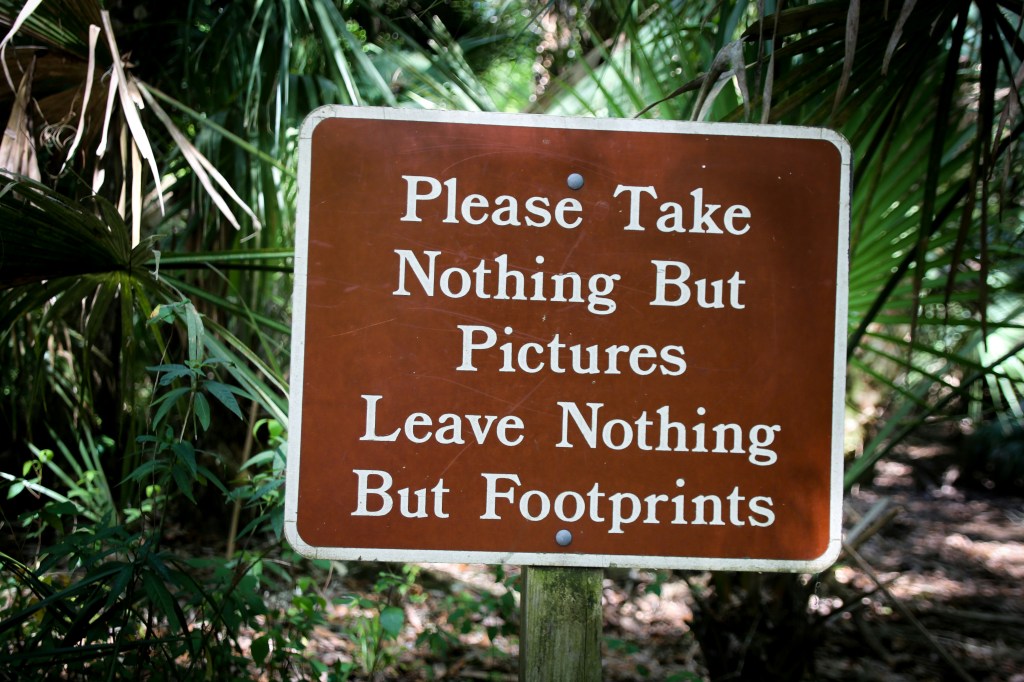
- Leave no trace. Make sure to take all trash with you and throw it away to special trash cans instead of leaving it in the nature
What’s one big change that I can make?
Following all sustainable tips at once can be overwhelming. Start small. And if you want to know the single most efficient way to reduce your environmental impact during the trip, then book eco-friendly transportation. It often accounts for the biggest part of carbon emissions on vacation, so traveling by train or electric car is already a big step to support sustainable travel.
Wrapping Up
To travel green (and still enjoy your holiday), think about possible ways to reduce your carbon footprint. From booking eco-friendly hotels and local stays to packing smart to choosing green transportation, there are numerous small ways to reduce your impact.
For more tips on sustainable travel, check out our articles on eco-friendly travel destinations, sustainable travel products, and sustainable travel planning.

 My Green Trips
Leave a comment