
One of the best ways to travel green is by visiting places that actively implement eco-friendly travel practices. These areas actively work on protecting both the environment and communities and try to provide visitors with memorable experiences. This post presents Europe’s best destinations for sustainable travel based on the UN Sustainable Development Goals and recent initiatives on responsible tourism.
This ranking includes many different criteria, such as commitment to innovation, implementation of regenerative tourism, circular economy practices, enhanced climate action, and more.
- What Is Sustainability in Travel
- Key Elements of Sustainable Trips
- Top Sustainable Travel Destinations in Europe in 2025
- Eco-Friendly Activities on Your Trip
What Is Sustainability in Travel
Sustainable travel, also known as ecotourism and responsible tourism, is a set of eco-friendly travel experiences and practices that have minimal impact on the environment. These can vary from exploring nature areas to booking green hotels and transportation options.
It could be as simple as packing light and using a refillable water bottle or prioritizing ground transportation and offsetting carbon emissions in your flight. Or if you search for accommodation, you book homestays with local people.
Key Elements of Sustainable Trips
If you want to break it down, any responsible travel includes the same key principles. Implementing even a couple of them for your next vacation will help you feel proud of your sustainability efforts.
- Reduce carbon footprint. Book transportation, hotels, and activities with the lowest emissions.
- Support local customs. Engage with local communities and learn about their traditions for more meaningful experiences.
- Get educated. Use opportunities to learn about responsible practices and challenges of each destination and share insights with your peers.
Top Sustainable Travel Destinations in Europe in 2025
Below you will find many destinations to visit in Europe that implement responsible practices.
The Azores, Portugal

The Azores consist of nine beautiful islands in the Atlantic Ocean, just a couple of hours’ flight from Portugal. It is a great destination to visit all year round: spring is best for hiking and whale watching, summer is ideal to enjoy beaches and volcanic lakes, autumn’s mild temperatures are great for hiking, while wintertime allows for storm watching and is perfect to try hot springs.
The Azores offer plenty of activities for nature lovers and eco-conscious tourists. For one, the archipelago is among the best places in the world to spot blue whales and dolphins. There are plenty of beautiful treks for hiking across volcanos, coastlines, and forests. You can also try canyoning down waterfalls, swim in natural pools, discover underwater lava formations while scuba diving, and more.
The archipelago is also known for its UNESCO-listed vineyards, for example, on Pico Island, where you can try the famous Verdelho wine.
The Azores is a leader in sustainable tourism for its commitment to using renewable energy, with geothermal, wind, and hydropower. The archipelago protects marine areas and ecosystems with strict conservation laws, ensures that more and more local service providers use sustainable practices, and supports small-scale tourism with a focus on nature and culture.
Faroe Islands, Denmark

The Faroe Islands are an autonomous Danish archipelago in the North Atlantic. It is known for picturesque volcanic landscapes, rich Nordic culture, and beautiful reefs.
The best time to visit will depend on the experiences you want to have. Summer months are best for hiking and birdwatching, with long daylight hours. In spring and autumn, you will see fewer tourists and can engage more in local culture. Winter can be quite harsh but still a good time for watching Northern Lights.
The best things to do in the Faroe Islands include hiking eco-friendly trails, watching birds such as puffins, gannets, and guillemots, kayaking and taking boat tours, as well as watching storms in wintertime. Also, make sure to try traditional Faroese cuisine, including locally sourced lamb, seafood, and specialties. End of July, you can attend Ólavsøka, a national festival with music and competitions.
Although the archipelago is located quite far and you still have to fly there, the national airline is taking active measures to decrease its carbon emissions, supported by local authorities and other hospitality representatives. The Faroe Islands implement strict environmental policies, for example, by limiting tourist numbers in sensitive nature areas, using wind, hydro, and solar power to provide over 50% of the islands’ energy, maintaining local culture and traditions, preserving small farms for local food sourcing, and inviting volunteers for restoration projects.
Iceland
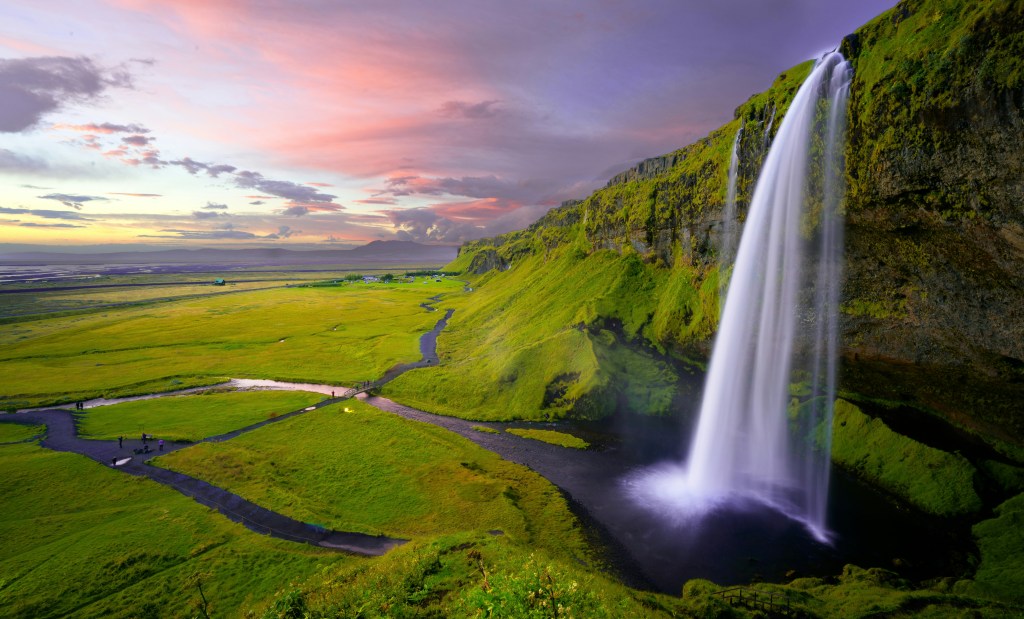
Iceland, the “Land of Fire and Ice,” is a global leader in sustainable tourism, with its strong focus on renewable energy, eco-friendly tourism, and nature preservation laws. It attracts hundreds of thousands of tourists with its dramatic landscapes, including volcanos, glaciers, and geysers, and authentic cultural experiences.
The best time to visit Iceland depends a lot on your preferred activities. In summer, you can hike or road trip, winter is perfect for Northern Lights, exploring ice caves, etc., while spring and autumn months usually see fewer tourists and offer lower prices. Other popular destinations include UNESCO-listed Thingvellir National Park, Geysir Hot Springs, Gullfoss Waterfall, Vatnajökull National Park with its glaciers and ice caves, the Blue Lagoon & Myvatn Nature Baths, and many more.
The most popular travel experiences include some of the world’s most scenic hikes, watching Northern Lights, going on a whale-watching tour, exploring Europe’s largest glaciers and ice caves, going on a road trip along the Arctic coast, and more.
The country’s sustainable tourism initiatives include using almost 100% renewable energy sources, protecting national parks with strict laws and limited tourist numbers, investing in electric vehicles, supporting responsible eco-tours, and more.
Lofoten Islands, Norway

The Lofoten Islands is an archipelago in Norway, located just a couple of hundred of kilometers from the Arctic Circle. It is famous for its dramatic mountainous landscapes, arctic fjords, pristine beaches, and picturesque fishing villages.
The best time to visit the archipelago is all year round, with most tourists opting for summer months to enjoy hiking and kayaking and winter to witness Northern Lights and spot wildlife. Spring and autumn offer mild temperatures and fewer tourists.
Some of the best places to visit in the Lofoten Islands include picturesque fishing villages such as Reine with its breathtaking views over fjords and mountains, Haukland & Uttakleiv beaches with their crystal-clear waters and white sand, and nature parks.
There are plenty of stunning trails for hiking and trekking, such as Reinebringen, Ryten, and Himmeltinden, opportunities for kayaking and paddle boarding, a chance to see the Northern Lights from September to April, spotting birds, such as sea eagles, puffins, whales, and more. The archipelago is also one of the world’s northernmost surf spots, with eco-conscious surf schools. And of course, you need to try local seafood, such as stockfish, For example, on a responsible fishing trip.
The Lofoten Islands focus on strict environmental protection by limiting visitor numbers on popular hikes, running on over 95% renewable energy sources, practicing responsible fishing, and developing green accommodations.
Uitdam, The Netherlands

Uitdam is a small charming village in the Netherlands, just 12 kilometers from Amsterdam. It is located next to the IJsselmeer Lake, the largest lake in the country, and offers some protected green spaces around, perfect for responsible travellers.
The best time to visit includes spring months to see beautiful tulip fields and cycle, summer for water sports and sailing, as well as autumn and winter for fewer tourists and cozy experiences.
The best places to visit in Uitdam include the nearby lakes, nature reserves such as Uitdammer Die with its walking trails and stunning views, fishing villages with their colorful houses, scenic meadows and windmills that look postcard-perfect, eco-conscious farms, and many more.
When in Uitdam, make sure to hop on a bike, as the region has a well-developed cycling network. Other popular activities in the area include sailing and kayaking, birdwatching, visiting cheese farms, exploring nature reserves, taking an electric boat tour, and more.
Uitdam is actively reducing its environmental impact by promoting green transportation, such as bikes and public transport, running restoration projects, supporting responsible waste management and eco-friendly accommodations, using green energy, and more.
Zillertal, Tyrol, Austria

The Ziller Valley (Zillertal in German) is one of the most visited valleys in Tyrol, Austria.
The best time to visit the Ziller Valley can be summer for hiking, cycling, and just enjoying beautiful green alpine landscapes. For skiing and snowboarding, you can book a vacation to Zillertal from December to March.
The area offers numerous eco-friendly trails such as the Zillertal High Road for hiking and cycling. You can also visit nature parks such as Hochgebirgs-Naturpark Zillertal. In wintertime, you can enjoy skiing and snowboarding in the Alps. And in any time of the year, you can have farm-to-table dining in local restaurants and hotels.
Austria is one of the European leaders in implementing sustainable travel practices. It has shown continuous commitment to reducing CO2 emissions and increasing the proportion of renewable energy to power up the area.
Gozo, Malta

Gozo is a green and quiet island in the Mediterranean Sea. It is one of 21 islands of the Maltese archipelago, known for its eco-tourism initiatives, sustainable agriculture practices, and multiple conservation projects. It is a perfect destination for slow travellers who want to get away from the crowds and enjoy the natural beauty.
The best time to visit Gozo is usually either spring or autumn, due to pleasant weather and fewer crowds so you can have more meaningful natural and cultural experiences.
One of the most popular things to do in Gozo is diving to sites like the Blue Hole known for its marine conservation projects. There are numerous eco-trails with scenic views like the Ta’ Ċenċ Cliffs. You can also visit sustainable farms and taste organic wines. And of course, you can book a stay in one of the green accommodations such as farmhouses or solar-powered guesthouses.
Skellig Michael, Ireland

Skellig Michael is a secluded Irish island and a UNESCO World Heritage Site with its rich natural and cultural heritage. There is hardly any infrastructure, so visitors are basically required to travel responsibly and respect ongoing conservation efforts.
The best time to visit the island is May to September when you can take a boat tour around the island or book other experiences.
Among the best things to do in Skellig Michael are exploring the Monastic Ruins, a preserved 6th-century monastery, birdwatching (puffins and seabirds), and boating around the island.
Tatra Mountains, Poland

The Tatra Mountains are a natural border between Slovakia and Poland. They are under strong environmental protection similar to national parks. Hiking trails are well-maintained, and local communities promote responsible tourism.
The best time to visit the Tatar Mountains is June through September. These months are perfect for hiking and other outdoor activities. In winter, you can enjoy skiing and snowboarding.
Some of the best things to do in the Tatar Mountains include hiking along the eco-friendly trails like Morskie Oko or in highlands such as Zakopane, watching wildlife like lynxes and bears in their natural habitat, and taking geothermal baths with natural hot springs.
The Isle of Skye, Scotland

The Isle of Skye is an island in the northern part of Scotland, connected to the mainland by a bridge. It is famous for its gorgeous rugged landscapes, features in many movies, charming fishing villages, and medieval castles.
Skye has a strong focus on responsible tourism with its eco-accommodations, wildlife conservation projects, and local food sourcing.
The best time to visit Skye could be April to June to enjoy wildflowers and mild weather. Autumn brings colorful landscapes and is best for photography tours.
Some of the best things to do on the Isle of Skye include hiking the iconic trails, such as the Quiraing & Old Man of Storr. You can also observe seals, otters, and eagles in their natural habitat. Staying in eco-friendly solar-powered cottages will help reduce environmental impact as well.
Eco-Friendly Activities on Your Trip
There are various types of activities you can take on your eco-friendly trip to support the community and nature.
Trekking
These inexpensive choices let you enjoy the outdoors and help with regional preservation. Public trails are typically available for a nominal cost in national, state, and local parks, enabling you to explore on foot and take in the scenery. In addition to providing an opportunity to enjoy stunning landscapes, wildlife preserves are an excellent method to support conservation.
Cycling
One of the greatest ways to see a new place and lessen your carbon impact is to ride a bicycle. Whether you’re riding on quiet country trails, picturesque coastal roads, or bustling city streets, a bike lets you engage with your environment in a way that a car just can’t. With the advent of bike-sharing schemes in many cities, pedaling through calm parks, busy markets, and historic areas is now simpler than ever. Mountain biking in eco-reserves or along approved greenways is an exciting method for nature enthusiasts to enjoy the great outdoors without causing environmental harm.
Horseback tours
For the more daring tourists, guided pack or horseback trips are excellent ways to experience nature. A wonderful experience, beautiful vistas from atop an experienced horse or mule, and environmental stewardship are all encouraged by guided trips.
Kayaking
Popular choices for eco-friendly travel are kayak tours. Take a guided sea kayak tour to discover estuaries and coastal seas. Businesses that provide guided kayak trips that allow visitors to get up close and personal with animals like seals, sea otters, seagulls, and shorebirds include Sea Kayak Adventures in British Columbia, Sea Quest Kayak Expeditions in California, and Sea Kayak Carolina in South Carolina.
Surfing
In addition to being an exhilarating activity, surfing is a fantastic way to get in touch with nature. It’s an experience that will never be forgotten because of the waves’ rhythmic dance, the sea breeze, and the excitement of catching the ideal swell. Nonetheless, ethical surfers put sustainability first by utilizing eco-friendly surfboards composed of recyclable materials and wax that decomposes naturally. To guarantee that this sport stays in balance with the environment, choose surf schools that support ocean conservation and stay away from busy or environmentally vulnerable locations.
Photography Tours
These unique tours allow you to learn from knowledgeable guides and photographers while taking breathtaking pictures of wildlife in its natural environment. There are photography wildlife tours on every continent. For example, dive photography in the Great Barrier Reef, birdwatching in Costa Rica, whale watching tours in Hawaii, polar bear photography tours in Alaska, and African safari tours in Kenya are all guided options that support local ecotourism and conservation.
Watching Wildlife
Whether you’re on a guided safari and want to see elephants, see sea turtles hatch on a moonlit beach, or observe birds in a lush jungle, it’s a magnificent experience to see wildlife in its natural home. Animals are protected from exploitation and disturbance by ethical wildlife tourism. Choosing ethical tour companies that adhere to stringent rules, such as keeping a respectful distance and refraining from feeding animals, helps save these amazing animals. Additionally, funding conservation initiatives guarantees that future generations will be able to appreciate the splendor of wildlife in its natural habitat.
Visiting Farms
Travelers can experience rural living, discover sustainable farming methods, and eat fresh, organic food directly from the source with agrotourism. Guests can stay on eco-farms, learn about the value of regenerative agriculture, and engage in tasks like cheesemaking, vegetable harvesting, and cow milking. Travelers can assist small-scale farmers committed to protecting the land while enjoying savoring delectable local cuisines at vineyards, coffee plantations, and permaculture farms. It’s a rewarding mode of transportation that combines leisure, learning, and sustainability.

 My Green Trips
Leave a comment