
Are you dreaming of exploring Europe in an environmentally friendly way and without breaking the bank? You’re in luck! With a bit of research, we’ve compiled a list of sustainable, cheap hotels in popular European destinations that are located within walking distance from local attractions and good places to eat and prioritize green practices—all for under $100 a night! In this guide, we’ll explore some of the best budget-friendly eco stays across Europe, perfect for conscious trip planning.
- Why Choose Eco Stays?
- How to Book Your Eco Stay
- Top Eco Destinations in Western Europe
- Top Eco Destinations in Northern Europe
- Sustainable Destinations in Eastern Europe on a Budget
- Conclusion
Why Choose Eco Stays?
Booking your stay with the environment in mind is not just about saving money; it’s about conserving resources, supporting local communities, and immersing oneself in local cultures. Within the travel and tourism industry, accommodations account for 6% of global carbon emissions, so by choosing an eco stay, you can significantly contribute to the planet’s health. Here are some compelling reasons to opt for eco travel planning:
Benefits of Green Accommodations
Green accommodations adopt sustainable practices that benefit both the environment and guests. These include renewable energy use, such as solar or wind power, to reduce reliance on fossil fuels and lower carbon emissions. Additionally, many eco-stays implement water conservation measures, such as low-flow fixtures and rainwater harvesting systems, to minimize water usage. On top, more and more businesses are introducing waste recycling practices.
For guests, green stays also provide a healthier environment. Using non-toxic cleaning products and natural materials results in lower indoor air pollution and a more pleasant atmosphere. It is also often possible to book excursions, bike rides, and even travel insurance with the same hotel that ensures a cozy stay for its guests.
Environmental Impact and Sustainability
The environmental impact of tourism is significant, but by choosing sustainable lodges, travelers can help mitigate this impact. Eco-stays are often designed with sustainable building materials and are well integrated with the natural landscape. For example, such lodges can be constructed using locally sourced wood and stone, which reduces transportation emissions and supports local economies. On top, green companies often support local conservation projects, and by opting for such a stay, you may also support local wildlife conservation or reforestation initiatives.
Supporting Local Communities
By sourcing food and materials locally, lodges support local communities and economies. As a result, there are more local jobs and fewer transportation emissions. Meanwhile, guests can enjoy fresh, organic meals made from locally grown fruit and vegetables, providing an authentic taste of the region’s culture and cuisine. Such hotels also try to educate visitors on sustainable ways to travel in the region and might suggest an engaging itinerary to explore local gems.
How to Book Your Eco Stay
To book a responsible stay, you can either set green filters on popular platforms like Booking or AirBnB or explore dedicated websites with exclusively sustainable properties.
- EcoBnB: A platform dedicated to sustainable tourism, offering a variety of green rentals in countries like Italy, France, Spain, Germany, Austria, Switzerland, and more. EcoBnB focuses on properties that use renewable energy, reduce waste, and promote local culture. You can book a variety of stays, from mountain huts to farms to even hobbit houses.
- Green Pearls: Focuses on sustainable and unique places to stay, providing options for eco-conscious travelers in Germany, Austria, Switzerland, Italy, and other select European and worldwide destinations. You can choose from a variety of categories, such as wellness, luxury, beach hotels, chalet villages, vacation rentals, and more.
- Airbnb: While not exclusively eco-focused, you can find hosts who prioritize sustainability across all European countries and beyond. More and more Airbnb hosts incorporate green practices, such as solar panels and organic gardens. There is also a wide range of types of stays, from renting a room to villas, and more.
- Ecotels: Offers a selection of eco-conscious hotels and lodges in the United Kingdom, Ireland, and other select European countries. Ecotels emphasizes properties that are committed to reducing their carbon footprint and supporting local communities. On top, the platform donates 5% of its profits to green charities.
- Responsible Travel: Provides a range of eco-conscious rentals and travel experiences in the United Kingdom, Spain, Italy, Greece, Portugal, and other European countries. You can find and book authentic stays and experiences that are not available on other platforms.
- Green Key: An international eco-label for tourism facilities with a wide range of 7,500+ sustainable hotels to choose from in Denmark, Sweden, France, Greece, Portugal, and over 80 other countries. It is a prestigious certification in Europe but is also gaining popularity in Latin America and the Caribbean.
- Hostelworld: One of the world’s largest selections of hostels with filters to find green stays across all European countries. Many hostels are adopting green practices, such as recycling programs and energy-efficient lighting, to reduce their environmental impact.
- TripAdvisor GreenLeaders: It is TripAdvisor’s program featuring hotels and B&Bs that have been recognized for their green practices in the United Kingdom, France, Italy, Spain, and other European countries. The GreenLeaders program highlights accommodations that adopt practices for energy conservation, waste reduction, and community engagement.
- Nature.house: Offers unique cottage stays in nature, with a focus on sustainability in the Netherlands, Belgium, Germany, France, Italy, and other European countries. You can find cabins and cottages by water or in the woods and contribute to local nature conservation projects by booking such a stay.
- Fairbnb.coop: A community-powered platform that promotes sustainable tourism and supports local communities in Italy, Spain, Portugal, Netherlands, and other European countries. Fairbnb.coop features accommodations that reinvest 50% of their profits into local community projects.
How to Check Green Credentials
- Look for Certifications: Check if the accommodation has certifications from recognized eco-labels like Green Key or TripAdvisor GreenLeaders. These certifications indicate that the property meets high environmental standards. Usually, you can find it directly on the hotel’s website.
- Read Reviews: Look for reviews from previous guests that describe their experience with green practices in the location.
- Contact the Property: Don’t hesitate to reach out to the accommodation directly if you have any doubts.
How to Secure the Best Hotel Rates
- Book in Advance: Try to book your stay early to take advantage of lower rates and also better availability. Many accommodations and platforms like Booking.com also provide a discount if you create an account with them or recommend them to a friend.
- Travel Off-Peak: Traveling during the shoulder seasons is maybe the best way to enjoy lower prices per person and fewer crowds in the destination. Off-peak travel can also reduce the environmental impact of tourism.
- Use Price Alerts: Set up alerts on booking platforms and be the first to know about price drops or special offers.
Top Eco Destinations in Western Europe
Now that you know how to find and book great eco-stays, it is time to explore some of the greenest destinations in Europe to get inspired. Let’s start by taking a look at some spots in Western Europe, offering rich cultural experiences and several UNESCO-protected areas.
France
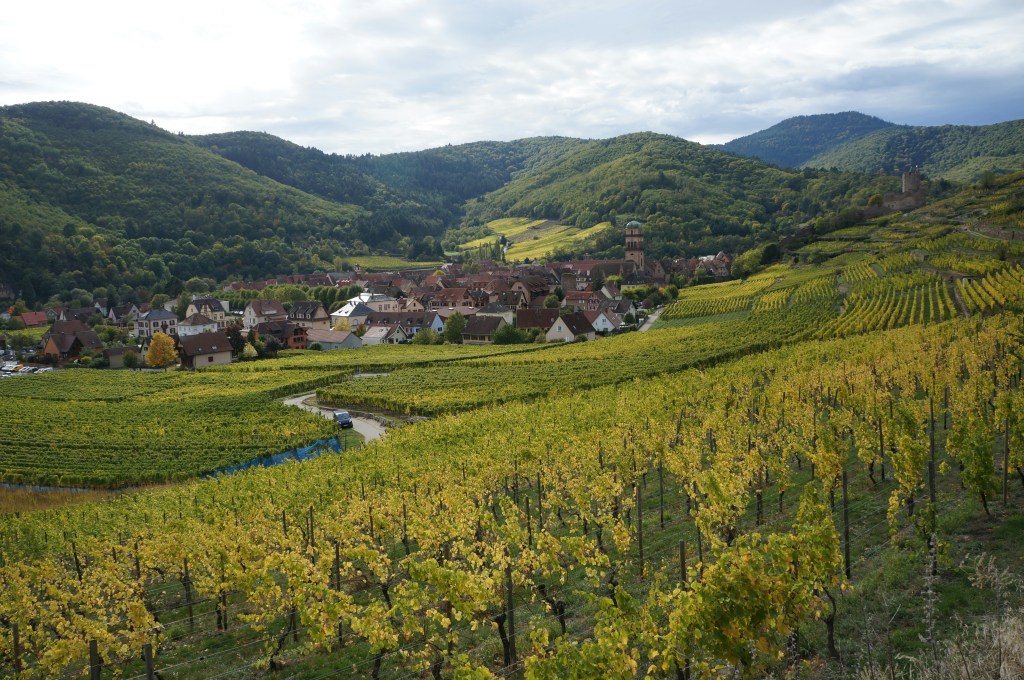
- Alsace Wine Route: With its picturesque villages and vineyards, the Alsace wine route can be a great itinerary if you want to explore organic and biodynamic farming. There are many of green accommodations and cycling routes to explore the region sustainably. The highlight is, of course, wine tastings at vineyards.
- Camargue: A natural region in southern France known for its wetlands, wildlife, and commitment to conservation. You can find and book a variety of eco-tours to learn about this unique ecosystem and explore it in a non-harmful way. The Camargue is also home to a range of species, including flamingos and wild horses, making it a paradise for nature lovers and families with kids.
- Brittany: Popular for its rugged coastline and commitment to sustainable tourism. If you want to walk along coastal paths and explore charming villages, Brittany can be a perfect backdrop.
Spain
- Basque Country: With its green landscapes and strong cultural identity, the Basque Country is a unique place to visit. The Basque Country is also renowned for its cuisine, with many restaurants sourcing ingredients from local farms and markets.
- Asturias: Known as “Green Spain,” this region is taking active measures to preserve its lush landscapes and biodiversity. Offers numerous green accommodations and outdoor activities like hiking and wildlife watching.
- Catalonia: A very proud and authentic region with long history and beautiful landscapes. Catalonia’s capital Barcelona is a vibrant city to explore, offering tons of engaging day trips and many things to do within the city.

Portugal
- Azores: An archipelago with stunning volcanic landscapes and rich marine life and a strong commitment to sustainability. Offers eco-conscious activities like whale watching and hiking in protected nature areas.
- Alentejo: Known for its rolling hills, vineyards, and commitment to sustainable agriculture. Explore Alentejo’s calm countryside and walk around historic towns if you want to escape from crowded destinationsations and taste local and organic food and wine.
- Sintra: With its lush landscapes and historical sites, Sintra is a great destination for travellers who want to connect with nature and dive into Portugal’s rich history.

Top Eco Destinations in Northern Europe
Northern Europe is a leader in sustainability not only in Europe but also worldwide, with many destinations offering innovative green technologies and practices:
Scandinavia
- Copenhagen, Denmark: The city is well-known for its extensive cycling infrastructure and a strong commitment to becoming carbon-neutral by 2025.
- Stockholm, Sweden: Often referred to as the “Green Capital of Europe,” Stockholm boasts clean waterways and sustainable urban planning.
- Oslo, Norway: The Norwegian capital is reducing carbon emissions and promoting sustainable living, which makes it a great sustainable destination.

Baltic States
- Tallinn, Estonia: With its well-preserved medieval old town, Tallin is a great destination for travellers who want to explore the culture of the Baltic states. It also offers quite affordable eco-friendly accommodations and green initiatives, such as free public transport for residents.
- Riga, Latvia: Known for its art nouveau architecture. Offers eco-friendly accommodations and green spaces, such as the expansive Mežaparks.
- Vilnius, Lithuania: Known for its baroque architecture and commitment to green initiatives. Offers eco-friendly accommodations and promotes cycling and walking tours to explore the city sustainably.

Sustainable Destinations in Eastern Europe on a Budget
Eastern Europe offers a wealth of hidden gems for budget-conscious travelers seeking sustainable experiences:
Eastern Europe
- Ljubljana, Slovenia: Known as one of the greenest capitals in Europe, Ljubljana has won awards for its sustainable urban planning and green initiatives.
- Plitvice Lakes National Park, Croatia: A UNESCO World Heritage site known for its stunning lakes and waterfalls, with a strong focus on conservation and sustainable tourism.
- Transylvania, Romania: Known for its rich biodiversity and efforts to preserve traditional farming practices and natural landscapes. Offers eco-friendly accommodations and promotes activities like hiking and wildlife watching in the Carpathian Mountains.
- Banská Štiavnica, Slovakia: A UNESCO World Heritage site known for its historical significance and commitment to preserving its natural environment. Banská Štiavnica’s charming architecture and scenic surroundings make it a captivating destination.
- Białowieża Forest, Poland: One of the last and largest remaining parts of the primeval forest that once covered much of Europe, known for its biodiversity and conservation efforts. Białowieża’s ancient trees and diverse wildlife provide a glimpse into Europe’s natural history.
- Lake Balaton, Hungary: Known as the “Hungarian Sea,” Lake Balaton is a popular destination for sustainable tourism, with efforts to preserve its natural beauty and promote eco-friendly activities. Lake Balaton’s serene waters and picturesque landscapes make it a perfect retreat for eco-conscious travelers.

Conclusion
In conclusion, traveling sustainably in Europe doesn’t have to be expensive. With a plethora of budget-friendly eco stays available, you can enjoy a guilt-free vacation that supports the planet and local communities. Whether you’re exploring the vibrant cities of Western Europe or the serene landscapes of the East, there’s an eco-friendly accommodation waiting for you. Ready to embark on your green adventure? Start planning your trip today and make a positive impact on the world!

 My Green Trips
Leave a comment