Iceland, known for its breathtaking landscapes including glaciers, volcanoes, and the Northern Lights, attracts over 2 million international travelers each year. As a world leader in sustainability, Iceland generates almost 100% of its electricity from renewable sources, such as 75% hydropower and 24% geothermal energy. This guide will help you travel sustainably in Iceland by focusing on eco-friendly accommodations, transport, and tours.
- Why Choose Responsible Tourism in Iceland?
- Preserving Iceland’s Ecosystems
- Eco-Friendly Accommodations in Iceland
- Sustainable Transportation Options
- Eco-Conscious Activities and Tours
- Supporting Local and Sustainable Businesses
- Tips for Minimizing Your Environmental Impact
- Conclusion: How to Visit Iceland Responsibly
Why Choose Responsible Tourism in Iceland?
Iceland’s commitment to sustainability sets an example globally. With a climate action plan targeting carbon neutrality by 2040 and significant investments in reforestation and wetland restoration, Iceland is combating climate change effectively. The tourism sector is increasingly adopting eco-friendly practices to protect the fragile Icelandic landscape. By choosing to travel sustainably, you contribute to preserving Iceland’s unique ecosystems and supporting local communities.
Preserving Iceland’s Ecosystems
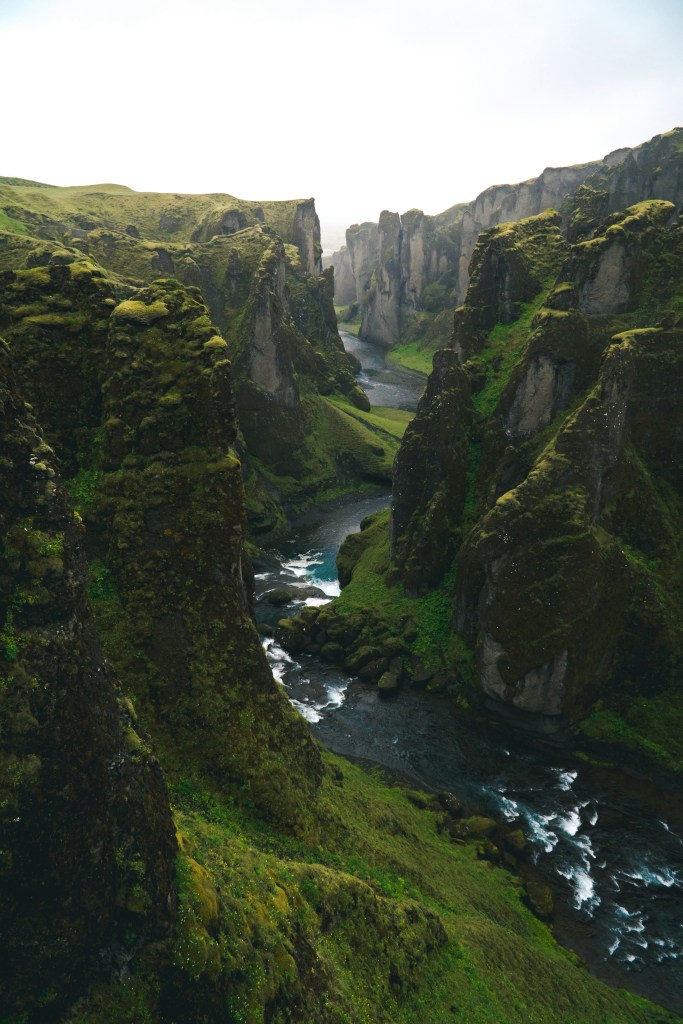
The country’s ecosystems host unique wildlife, such as the Arctic Fox, the only native land mammal, and plant species like the Icelandic Poppy. Sustainable tourism is essential in protecting Iceland’s volcanic landscapes, glaciers, and geothermal areas from over-tourism. It also supports local communities—by booking through local businesses, your travel generates jobs and investments in the local economy.
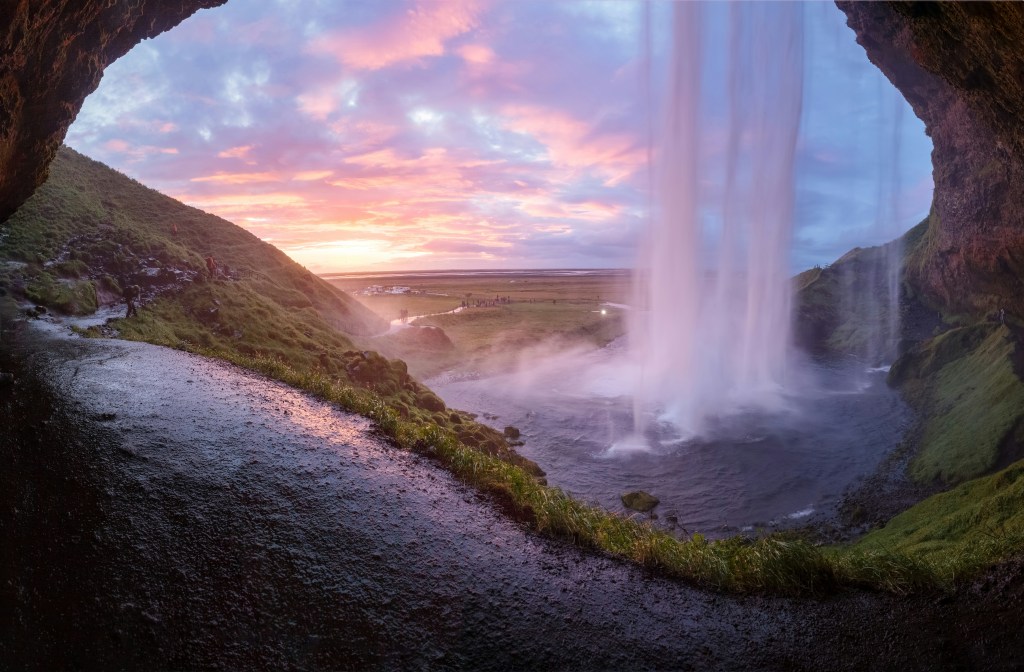
(Photo by Andrey Andreyev on Unsplash)
Eco-Friendly Accommodations in Iceland
Choosing the right place to stay plays a vital role in sustainable travel. Here are five eco-friendly accommodations:
- Ion Adventure Hotel: Near Thingvellir National Park, this luxury hotel is committed to sustainability, using geothermal energy and serving locally sourced dishes.
- Frost and Fire Hotel: Located in Hveragerði, this hotel utilizes geothermal energy for heating and sources ingredients locally, offering hot springs and hiking trails.
- Hotel Ranga: A countryside luxury hotel promoting sustainability with energy-efficient lighting and water conservation initiatives while supporting local wildlife conservation.
- Kex Hostel: A social hub in Reykjavik that combines a cozy atmosphere with waste reduction practices.
- Sólheimar Eco-Village: Offers guesthouses and activities centered around sustainable living and community development.
Platforms for Eco-Friendly Accommodations
In addition to the accommodations above, you can also research and book hotels, hostels, and homestays on platforms below:
- EcoHotels.com: Find eco-friendly hotels worldwide, including in Iceland.
- Green Pearls: Discover sustainable hotels and dining options globally.
- Airbnb: Search for eco-friendly listings that support local businesses.
- Booking.com: Use the “Sustainable Travel” badge to find eco-friendly options.

Sustainable Transportation Options
Since transportation is one of the major contributors to the pollution overall, getting to Iceland sustainably can minimize your environmental impact. Consider booking a direct flight in an economy class to reduce your carbon emissions.
Here are five platforms to get around Iceland sustainably:
- Green Motion: Offers eco-friendly car rentals in Iceland. You can book a wide range of electric and hybrid vehicles in different locations.
- Blue Car Rental: Provides eco-friendly car rental options among other offers, including electric cars.
- Reykjavik Excursions: Provides bus tours and transfers with a commitment to reducing carbon emissions. The company uses modern, fuel-efficient vehicles and offers a variety of tours that cater to different interests.
- Public Transport: Use the Strætó app to navigate Iceland’s public bus system, which is an eco-friendly way to travel.
- Carpooling: If you’re traveling with others, consider carpooling to reduce your carbon footprint.
- Cycling: Iceland’s scenic routes are perfect for cycling. Rent a bike and explore the countryside at your own pace.
- Walking: Walking is a great way to immerse yourself in the landscape and discover hidden gems.

Eco-Conscious Activities and Tours
Iceland offers a plethora of activities that allow you to enjoy its natural beauty while minimizing your environmental impact. Here are five eco-friendly activities:
- Whale Watching in Iceland with Elding Adventures: This company is certified by EarthCheck and focuses on sustainable whale watching practices with minimal disturbance to the animals.
- Hiking in Skaftafell National Park: The parc is well-known for its stunning landscapes and provides tourists with well-marked trails for all skill levels that minimize environmental impact.
- Geothermal Baths at Mývatn Nature Baths: Iceland is known for its natural hot springs, offering a tranquil setting with panoramic views. Nearby, you can also explore lava fields and birdwatching areas, making it a perfect day trip overall.
- Snorkeling in Silfra Fissure: Dive between two continents in Thingvellir National Park, the only place in the world where you can do that.
- Northern Lights Tours with Arctic Adventures: This company offers eco-friendly tours in small groups to see the Northern Lights, focusing on minimizing environmental impact.

(Photo by Luke Stackpoole on Unsplash)
Platforms to Book Eco-Friendly Activities
- Viator: Offers a wide range of eco-friendly tours and activities in Iceland and around the world.
- GetYourGuide: Provides a variety of options, from adventure tours to cultural experiences in Iceland and worldwide.
- Responsible Travel: Focuses on responsible tours that benefit local communities and the environment.
- G Adventures: Offers small-group tours with a focus on sustainability and support for local communities.
- Intrepid Travel: Provides eco-friendly tours that emphasize cultural immersion and environmental responsibility.
Supporting Local and Sustainable Businesses
Supporting local businesses and Icelanders is another way to ensure you travel to Iceland responsibly. When eating out, look for restaurants that source local and organic ingredients or grow vegetables in their own gardens. Participating in community-based tourism initiatives also helps support the local economy and preserves cultural heritage.
Dining Sustainably in Iceland
- Loki Café: Located in Reykjavik, this café offers traditional Icelandic dishes made with locally sourced ingredients. You will also find vegetarian and vegan options.
- Dill Restaurant: Known for its innovative approach to Icelandic cuisine, Dill focuses on seasonal and organic ingredients.
- Friðheimar: This family-run farm and restaurant specializes in tomatoes grown in geothermal greenhouses.
Community-Based Tourism Initiatives
- Reykjavik Food Walk: This guided tour claims to be the number one rated food tour in Iceland and takes you through the city’s best places to eat.
- Icelandic Farm Holidays: Providers like Farm Stay Planet and Icelandic Times offers stays on working farms, to gain insights into rural life and sustainable agriculture. You can try out different farm tasks, such as milking cows or harvesting vegetables, and enjoy home-cooked meals.
- Handknitting Association of Iceland: Learn about traditional Icelandic wool products and support local artisans through different workshops.

Tips for Minimizing Your Environmental Impact
- Pack Eco-Friendly Travel Essentials: Bring reusable water bottles, bags, and utensils to reduce waste. Consider buying biodegradable toiletries and reef-safe sunscreen to minimize harm to the environment, especially if you plan to dive.
- Reduce Waste and Recycle: Take advantage of recycling facilities and be mindful of your waste. Many accommodations and public areas in Iceland provide recycling bins.
- Respect Local Customs and Natural Habitats: Follow guidelines and respect wildlife and natural areas. Stay on marked trails and avoid disturbing nesting sites or fragile vegetation.
Conclusion: How to Visit Iceland Responsibly
Exploring the Icelandic nature and culture sustainably is a rewarding experience that allows you to enjoy its stunning landscapes while preserving them for future generations. By choosing eco-friendly accommodations, transportation, and activities, you can make a positive impact on the environment and local communities. So, are you ready to embark on a sustainable adventure in Iceland? Start planning your trip today and be part of the movement to protect this incredible destination.

 My Green Trips
Leave a comment