Germany is renowned for its commitment to sustainability and eco-friendly living, making it a prime destination for green travel enthusiasts. A recent study by the City Mayors’ Foundation ranked the top five greenest cities in Germany based on the ratio of green spaces to city area. These cities are Siegen (86%), Göttingen (85%), Bergisch Gladbach (84%), Salzgitter (84%), and Pforzheim (83%).
While these smaller cities excel in green spaces, we will explore ten of Germany’s largest cities that have also made it to this list but have a bigger range of activities for travelers, including cultural offerings, outdoor sports, and culinary delights, alongside their green credentials.
Berlin

Berlin, Germany’s capital, is a beacon of sustainability. The city boasts numerous green spaces, including the expansive Tiergarten and the repurposed Tempelhofer Feld, a former airport turned public park. Berlin’s extensive network of bike lanes and eco-friendly public transportation options make it easy to navigate the city sustainably.
Ideas for sustainable travel:
- Tiergarten: One of the largest animal parks in Germany, perfect for leisurely strolls, as well as cycling, and picnics. Tierpark is open 365 days a year. Responsible travelers might consider donating to the Berlin World Wide Program.
- Tempelhofer Feld: A unique public park created on the site of a former airport, offering wide-open spaces for various recreational activities.
- Berlin has a robust network of bike lanes, making cycling a safe and popular mode of transport.
- Green Markets: Berlin hosts numerous eco-friendly festivals and events, such as the Berlin Green Market, which features sustainable products and local, organic food. Markets like the Winterfeldt Market offer a variety of organic and locally-sourced produce.
Munich
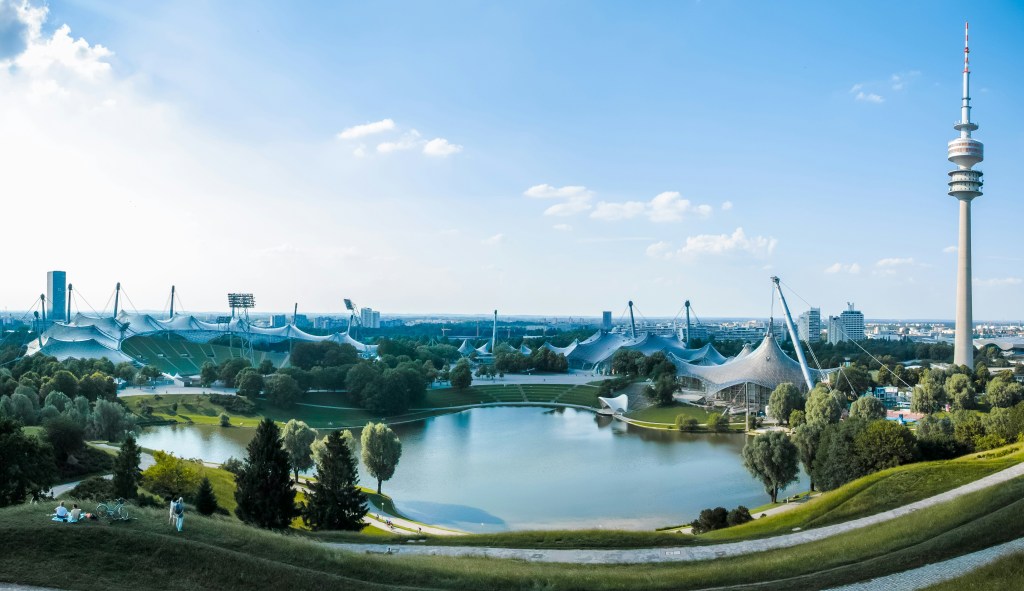
Munich is another leading city in sustainability, known for its bicycle-friendly infrastructure and numerous parks such as the English Garden and Olympiapark. The city’s public transportation system is efficient and green, encouraging residents and visitors alike to minimize car use.
Ideas for sustainable travel:
- English Garden: One of the largest urban parks in the world, offering vast green areas, beer gardens, and even a place to surf.
- Olympiapark: Built for the 1972 Olympics, this park includes a lake, sports facilities, and plenty of green spaces.
- Organic Restaurants: Munich offers numerous farm-to-table and organic dining options, such as Emiko and Tian.
- Green Events: The city hosts events like the Green World Tour, focusing on sustainability and green innovation.
Hamburg
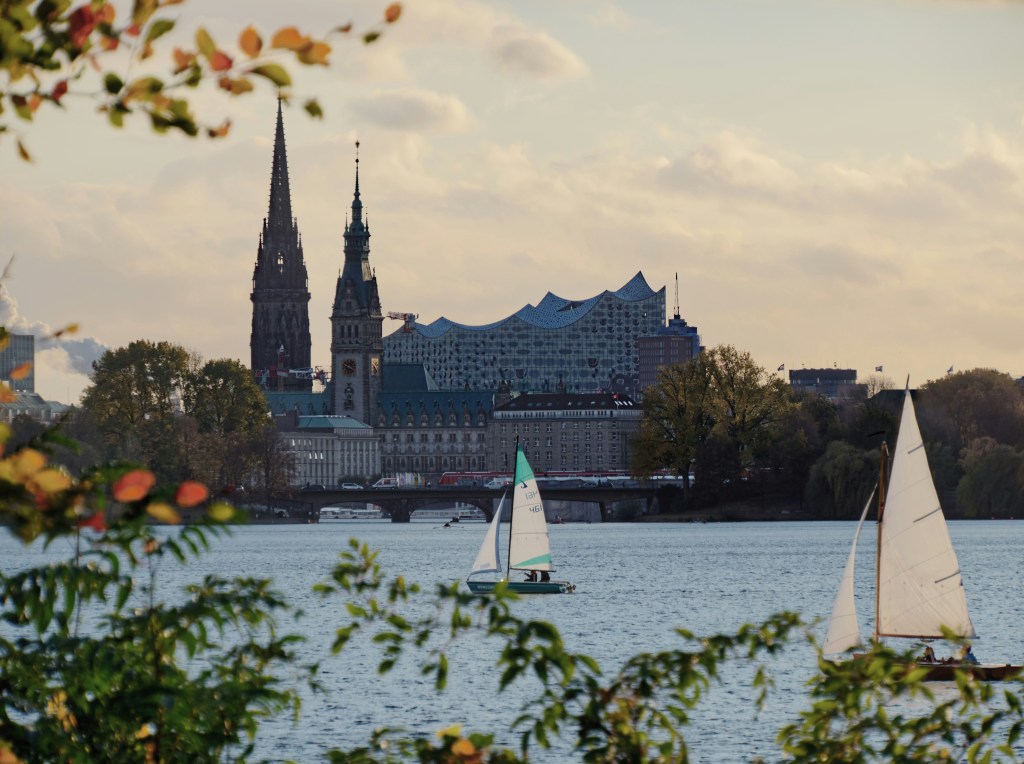
Hamburg’s HafenCity project is a testament to the city’s dedication to sustainable urban development. This district is designed with eco-friendly architecture and green energy in mind. Hamburg also offers extensive green spaces like Planten un Blomen and Stadtpark.
Ideas for sustainable travel:
- Planten un Blomen: A beautiful park known for its botanical gardens and water light concerts.
- Stadtpark: Hamburg’s green lung, featuring a planetarium, lakes, and vast open areas for recreation.
- HafenCity: Europe’s largest inner-city development project, focusing on sustainability with energy-efficient buildings and green spaces.
- Eco-friendly Dining: Restaurants like Happenpappen offer vegan and organic options.
Freiburg

Often hailed as Germany’s greenest city, Freiburg sets a high standard for sustainable living. The city’s Vauban district is a model of sustainable urban planning, featuring solar-powered homes and car-free streets. Freiburg’s extensive network of bike paths and efficient public transportation make it easy to explore the city’s many parks and green spaces, such as the Black Forest and Schlossberg.
Ideas for sustainable travel:
- Black Forest: A vast natural area offering hiking, biking, and outdoor activities.
- Schlossberg: A hill with panoramic views, hiking trails, and historical sites.
- Vauban District: Known for its eco-friendly homes and car-free streets, promoting a green lifestyle.
- Sustainable Dining: Restaurants like Hausbrauerei Feierling use local and organic ingredients.
Stuttgart
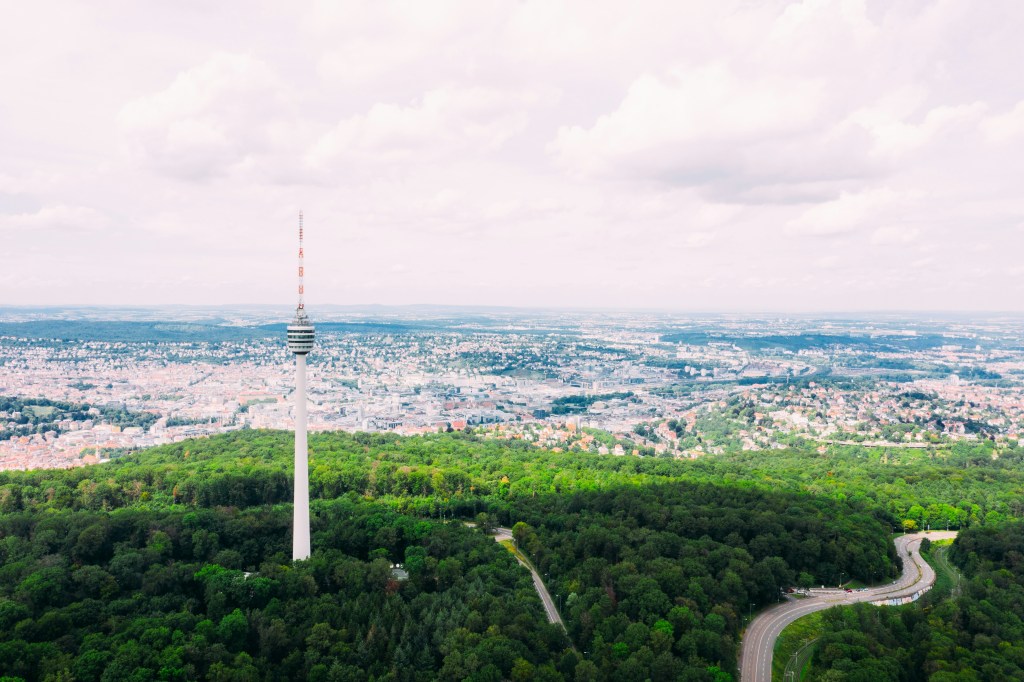
Stuttgart is known for its beautiful parks, including Schlossgarten and Killesbergpark. The city’s sustainable transportation options include a well-developed public transport system and extensive bike paths. Stuttgart is also a hub for green technology and innovation, with numerous eco-friendly urban development projects underway.
Ideas for sustainable travel:
- Schlossgarten: A historical park with beautiful gardens and walking paths.
- Killesbergpark: Features gardens, playgrounds, and a tower with panoramic views.
- Eco-friendly Dining: Restaurants like Weinstube Am Stadtgraben focus on sustainable and locally-sourced ingredients.
- Green Technology: Stuttgart is known for its innovations in green technology, showcased at events like the Green Innovation and Investment Forum.
Nuremberg

Nuremberg combines historical charm with a commitment to sustainability. The city boasts numerous green areas like Wöhrder See and Stadtpark. Nuremberg’s public transport system is both efficient and eco-friendly, reducing the need for car travel. The city also hosts green events and initiatives that promote sustainable living.
Ideas for sustainable travel:
- Wöhrder See: A large lake and recreational area perfect for outdoor activities.
- Stadtpark: A central park offering walking paths, gardens, and play areas.
- Organic Markets: Markets like the Nuremberg Farmers’ Market offer fresh, locally-sourced produce.
- Green Events: The annual Biofach fair, the world’s leading trade fair for organic food, is held in Nuremberg.
Leipzig

Leipzig is known for its extensive green spaces, including Clara Zetkin Park and the Leipzig Riverside Forest. The city’s urban gardening projects and green rooftops contribute to its eco-friendly atmosphere. Sustainable transportation options, such as a robust public transport network and bike-sharing schemes, make it easy to get around.
Ideas for sustainable travel:
- Clara Zetkin Park: A large urban park with beautiful landscapes and recreational areas.
- Leipzig Riverside Forest: A natural area offering hiking and biking trails.
- The city encourages urban gardening and green rooftops to enhance sustainability.
- Green Events: Leipzig hosts the annual Umundu Festival, focusing on sustainable development and environmental issues.
Heidelberg

Heidelberg is committed to eco-friendly living, with key green spaces like the Heidelberg Castle Gardens and Neckarwiese. The city’s sustainable public transportation system reduces the reliance on cars. Heidelberg’s green city projects and initiatives further enhance its reputation as a leader in sustainability.
Ideas for sustainable travel:
- Heidelberg Castle Gardens: Historic gardens offering stunning views and walking paths.
- Neckarwiese: A riverside park perfect for picnics and outdoor activities.
- Eco-friendly Dining: Restaurants like Urban Kitchen focus on local and sustainable ingredients.
- Green Events: Heidelberg hosts the annual ENERGIEWENDE festival, promoting renewable energy and sustainability.
Bonn
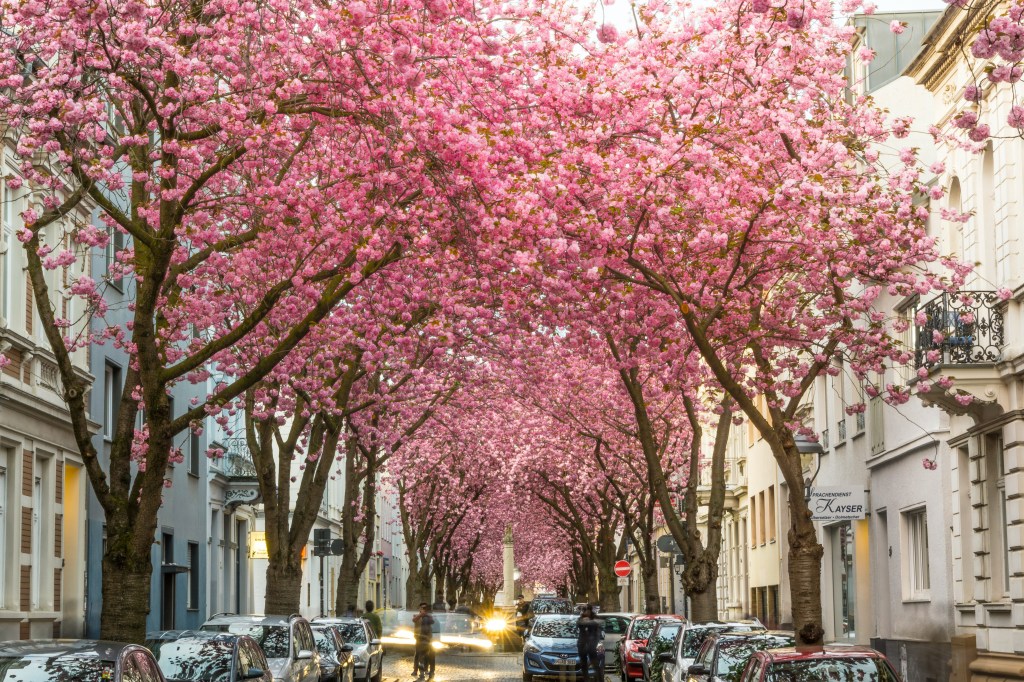
Bonn offers numerous green spaces, including Rheinaue Park and the Botanical Gardens. The city’s sustainable urban planning focuses on creating a green and livable environment. Bonn is also known for hosting green conferences and events, promoting eco-friendly practices. The city’s efficient public transportation options contribute to its green credentials.
Ideas for sustainable travel:
- Rheinaue Park: A vast park with lakes, gardens, and recreational areas.
- Botanical Gardens: Home to a diverse range of plant species and beautiful landscapes.
- Sustainable Restaurants: Places like Cassius Garten offer organic and vegetarian cuisine.
- Green Events: Bonn hosts the annual UN Climate Change Conference, emphasizing the city’s commitment to sustainability.
Dresden

Dresden’s notable green areas, such as Großer Garten and Dresdner Heide, make it a standout city for eco-friendly living. The city’s sustainable housing and urban development projects are designed to reduce environmental impact. Dresden’s public transportation and bike paths make it easy to navigate the city sustainably, while green festivals and cultural events showcase the city’s commitment to sustainability.
Ideas for sustainable travel:
- Großer Garten: A large park with gardens, a zoo, and a miniature railway.
- Dresdner Heide: A vast forest offering hiking and biking trails.
- Eco-friendly Dining: Restaurants like Genuss-Atelier focus on organic and local ingredients.
- Green Festivals: Dresden hosts the annual Umundu Festival, focusing on sustainability and green living.
Final Thoughts
Germany’s cities are leading the way in sustainable urban living, offering a wealth of green spaces, eco-friendly transportation options, and a strong commitment to sustainability. These cities provide not only cultural and culinary delights but also a blueprint for sustainable urban development. Whether you’re a traveler looking to explore Germany’s greenest urban areas or simply interested in sustainable living, these cities offer the perfect blend of culture, outdoor activities, and eco-friendly practices.
We’d love to hear about your experiences in Germany’s green cities! Share your favorite green spots or suggest other cities that should be on our list.

 My Green Trips